 Admin
Admin I still remember the first time I went up to Kullu — the bus was late, my legs were cramped, and somewhere around 11 pm the driver just stopped at a dhaba because “sab so gaye hain.” I was annoyed for about ten minutes. Then I stepped out into that cold, and it just… shut me up. That’s the thing about India’s hill stations. Nobody tells you the good parts happen in the gaps between the itinerary.
This isn’t a copy-paste “top hill stations in India” list. Some of these I’ve been to myself, the rest I’ve dug into properly — routes, seasons, what’s actually worth your time versus what just photographs well. Let’s get into it.
Shimla
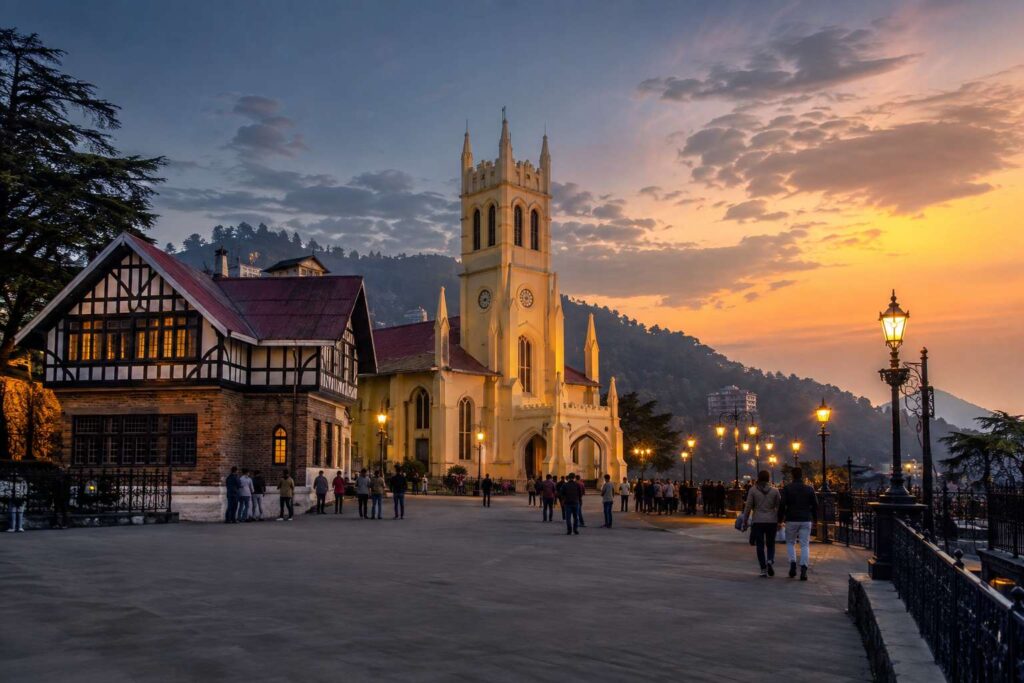
Everyone’s seen the Shimla postcard shot — Ridge, church, that whole colonial backdrop. What the photos don’t capture is how the town smells in the evening, some mix of pine and roasted corn from the vendors near Scandal Point. If you’re coming from Chandigarh it’s about three hours by road, or you can take the toy train from Kalka, which takes five to six hours and honestly feels longer if you’re impatient, but it’s worth doing once.
For the Best Places to Visit Near Shimla crowd, Kufri is the obvious answer, and it’s obvious for a reason — I found leftover snow patches there even in late April one year. Chail gets far less footfall and has that oddly specific claim to fame of one of the highest cricket grounds in the world. December-January means snow, but also double the hotel rates. Nobody warns you about that part until you’re already booking.
Manali
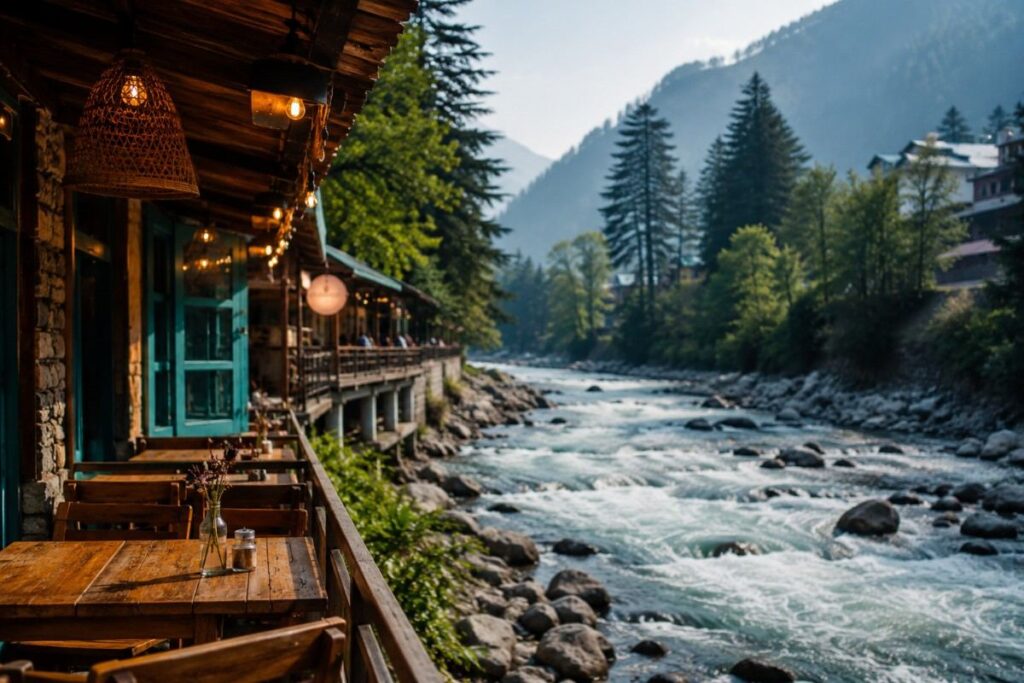
Solang Valley paragliding gets all the attention, sure. But if I’m being honest, Old Manali’s back lanes were the better memory — small cafés, someone’s guitar somewhere, the Beas just constantly in the background. You don’t even need to try to hear it.
Rohtang Pass needs a permit now, and if you’re going in June or July, apply online well ahead — the daily quota runs out faster than people expect. Skip the monsoon months entirely (July-September) if you can; landslides aren’t a rare inconvenience there, they’re a real risk. Hidimba Devi Temple sits inside a cedar forest that’s noticeably colder than the rest of town — go early, before the tour buses show up and it turns into a photo queue.
Munnar
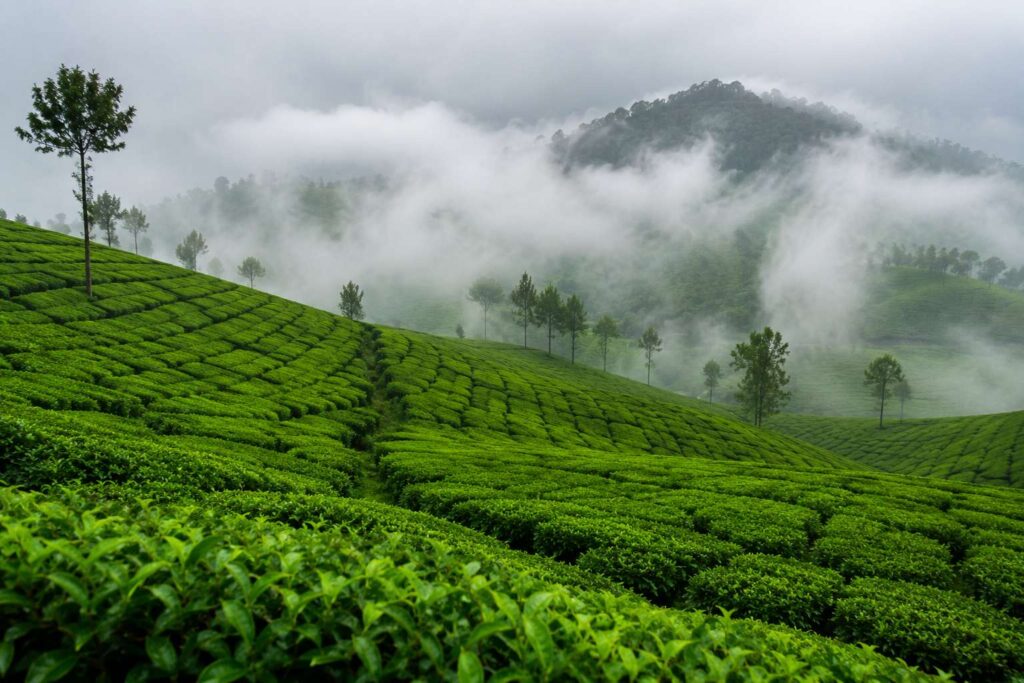
I wasn’t expecting much from Munnar, honestly. Kerala’s beaches get all the marketing. But driving in from Kochi — about four hours — and watching tea estates just swallow the horizon changed my mind pretty fast. Cheeyappara and Valara waterfalls are on the way and worth the five-minute stop.
Eravikulam National Park is where you’d spot the Nilgiri Tahr, an endangered mountain goat that basically only exists here and a couple of other spots. It’s only open certain winter months, so check before you plan around it. If you want to turn this into a proper Top Hill Stations in Kerala circuit, add Thekkady — Periyar Wildlife Sanctuary is there, and the two together make a solid five or six day trip. September to March, that’s your window, less humidity and cleaner views.
Darjeeling
Tiger Hill sunrise is the thing everyone tells you to do, and yes, you do have to get up at 4 am, and yes, it’s genuinely annoying to do that on holiday. But Kanchenjunga going gold at first light is one of those things that’s actually as good as people say — which almost never happens with hyped-up tourist spots. Clear mornings aren’t guaranteed though, so don’t plan just one day around it.
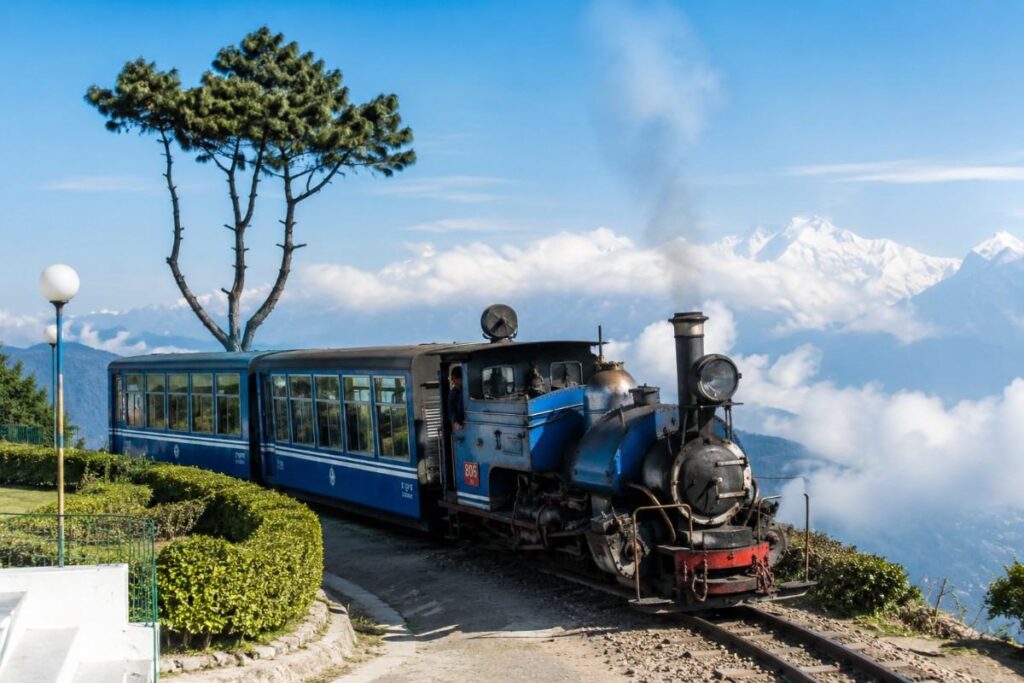
The Darjeeling Himalayan Railway — the Toy Train, UNESCO listed — isn’t just a way to get around, it’s basically the whole point. Slow steam engine, small stops, the works. I also went to Happy Valley Tea Estate and watched how the leaves actually get processed, which sounds boring on paper but wasn’t — every estate seems to do it a little differently.
Ooty
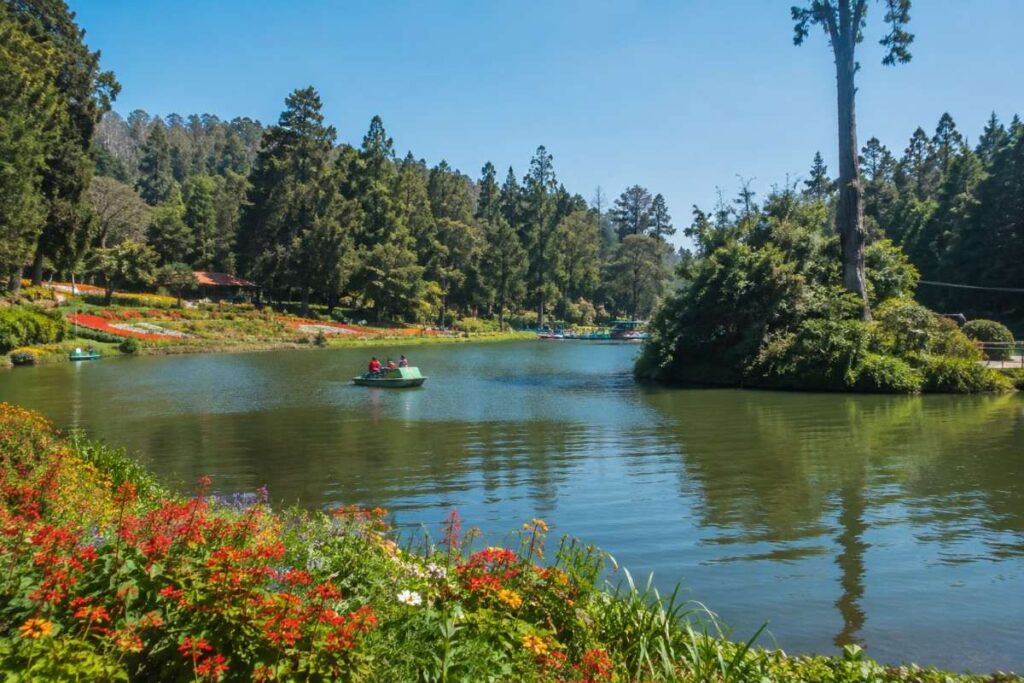
Ooty’s the easy first hill station for a lot of South Indian travelers, mostly because Coimbatore is only two and a half hours away. The Botanical Garden is genuinely well kept — over a thousand plant species — and boating on Ooty Lake is one of those things that’s basically mandatory once you’re there with family, whether you actually want to or not.
The Nilgiri Mountain Railway between Mettupalayam and Ooty is one of the steepest lines in the country, also UNESCO listed. Doddabetta Peak gives you the whole valley in one shot, but weekends there are a mess of people — go on a weekday if your schedule allows it at all.
Coorg
Calling it “Scotland of India” felt like a stretch until the mist actually rolled over the coffee estates while I was standing there. Then, fine, I get it. It’s a five to six hour drive from Bangalore, and Madikeri Fort is a decent stop along the way if you have room in your schedule.
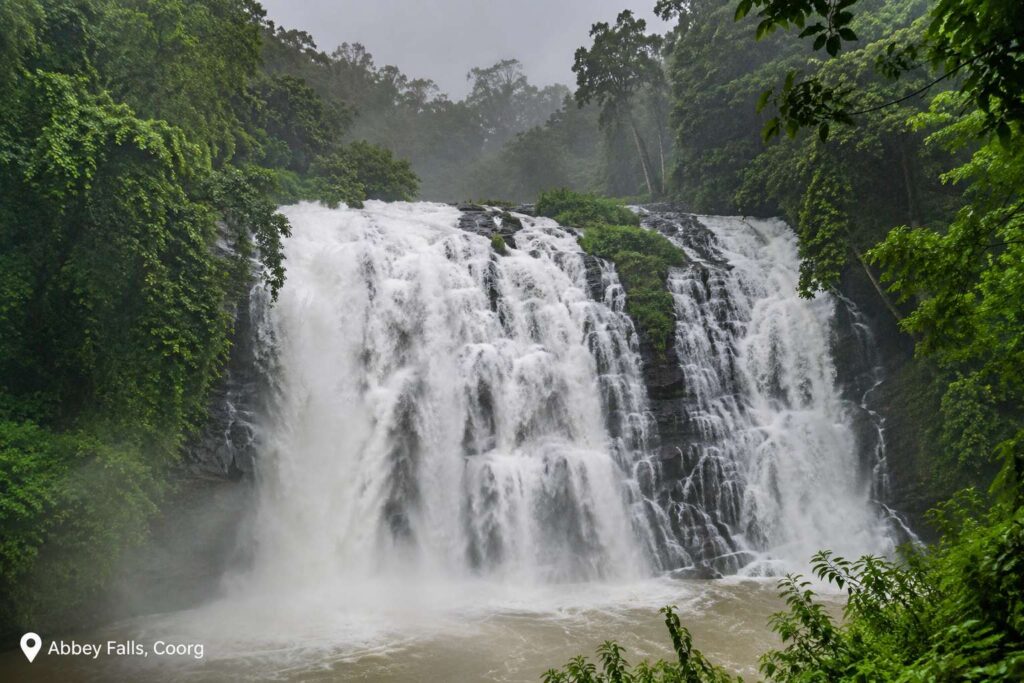
Abbey Falls and Iruppu Falls hit hardest right after monsoon — October, November — when the water’s still running strong. The coffee estate homestays are worth it specifically because some let you pick the cherries yourself and walk you through processing. I tried it, expected it to be a gimmick, it wasn’t. Talakaveri — where the Kaveri actually starts — is small and quiet and most people skip it entirely, which is a bit of a shame.
Nainital
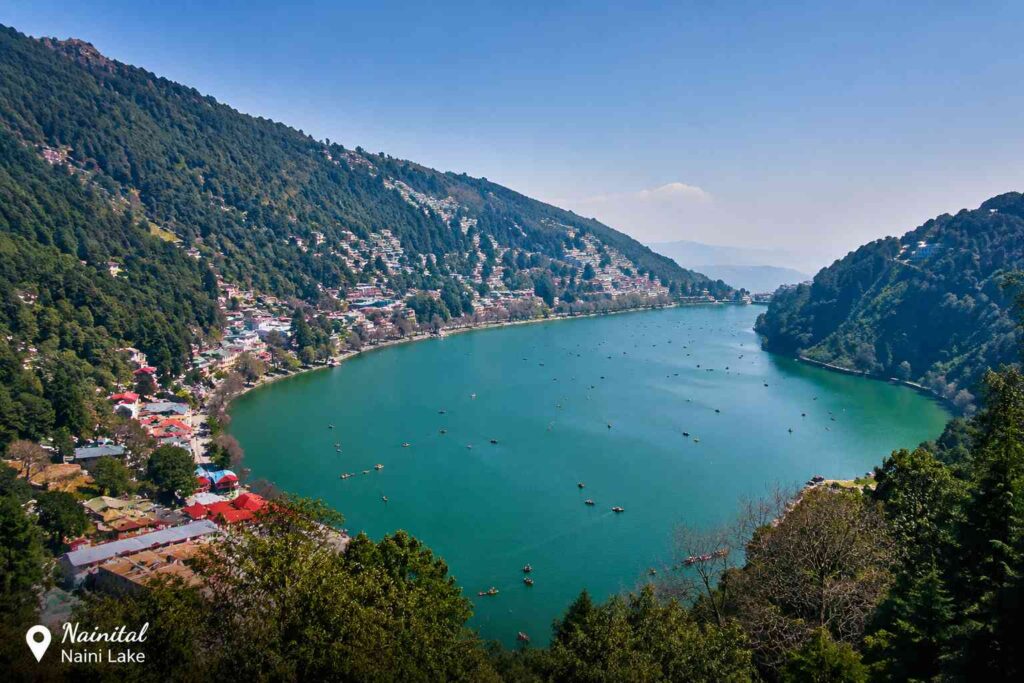
Naini Lake sits right in the middle of town, which is unusual — most hill stations keep their main attraction slightly outside. You can just stand at the edge and see the whole place at once. It’s around 300 km from Delhi, so people do try the Sunday-morning-out-and-back thing, but two nights is the difference between actually seeing it and just rushing through it.
Naina Devi Temple, one of the Shakti Peeths, sits at one end of the lake. If the crowds get to you, Bhimtal and Sattal nearby are just as pretty and get a fraction of the tourists — I genuinely think they’re underrated compared to Nainital itself.
Gangtok
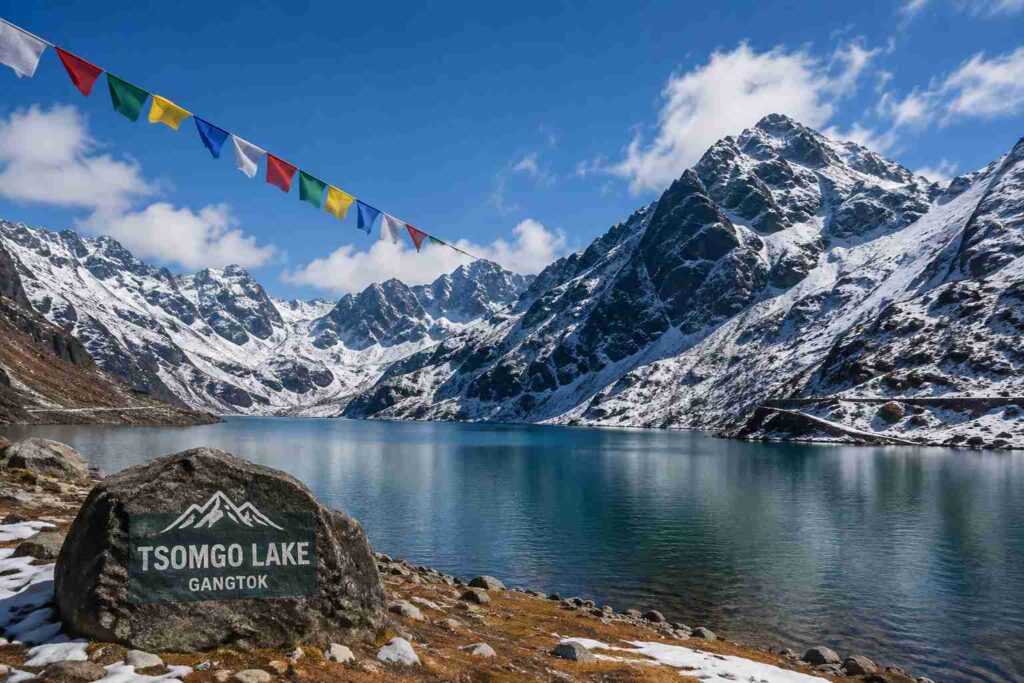
Gangtok’s for when you want something slower and less Instagram-crowded than Himachal’s usual spots. The monasteries, the prayer flags, the general quiet of the place — it’s a different kind of Himalayan trip.
Tsomgo Lake and Nathula Pass need a permit and take up a full day, and you end up fairly close to the India-China border, which is a strange thing to casually mention on a holiday itinerary but there it is. MG Marg is pedestrian-only and the best place for an evening walk — the momos and thukpa there taste properly local, not the diluted version you get elsewhere. Rumtek Monastery, seat of the Karmapa, is worth the trip on architecture alone.
Mount Abu
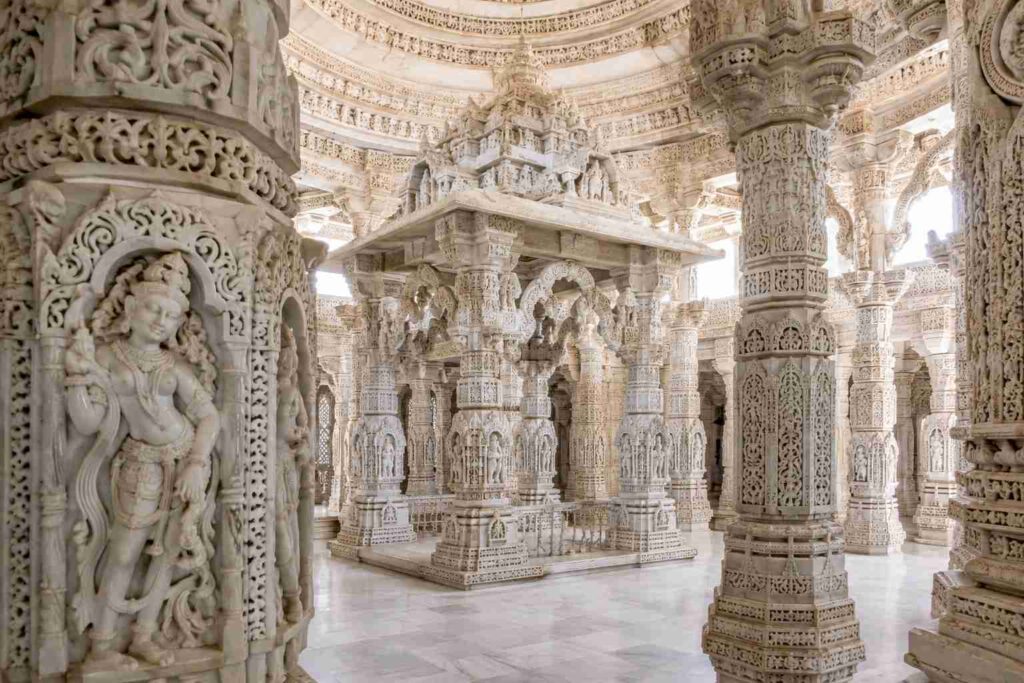
Rajasthan isn’t exactly known for greenery, so Mount Abu — sitting at the highest point of the Aravalli range — feels almost out of place, in a good way. About four hours from Ahmedabad, which is why Gujarati travelers show up here in large numbers.
Dilwara Jain Temples are the real reason to come — the marble carving is so fine it genuinely doesn’t look like stone anymore. An evening at Nakki Lake followed by sunset at, well, Sunset Point (not the most creative name, but accurate) rounds off a pretty simple, pretty good day.
Mussoorie
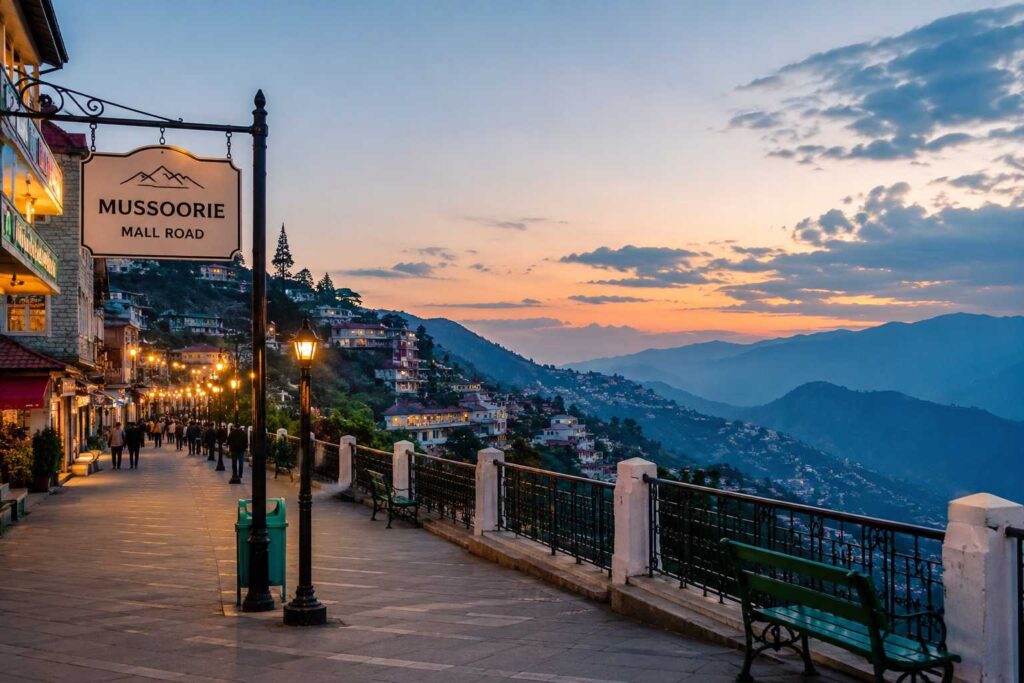
Mussoorie’s about 35 km from Dehradun, which makes it the easiest short trip on this whole list. Kempty Falls is popular enough that peak season turns it into more of a crowd management exercise than a nature visit, fair warning.
Mall Road in the evening is still the best part — snacks, a bit of window shopping, mountains in the background without trying too hard. The cable car up to Gun Hill gives you a wide shot of Doon Valley, better on clear days obviously, but even hazy it’s not bad.
Frequently Asked Questions
Which hill station works best for a family trip?
Shimla and Ooty, mainly because of connectivity and the fact that most activities there are genuinely safe and easy for kids.
When’s the best time to visit the top hill stations in India?
March-June and October-December cover most of them well. For snow specifically, go for December-January in Shimla or Manali.
Can you do these on a tight budget?
Yes — Nainital, Mussoorie, and Mount Abu are noticeably cheaper on hotels and travel compared to the others on this list.
What are the best hill stations in South India?
Munnar, Ooty, and Coorg — these three come up again and again for good reason.
Is solo travel safe in these places?
Mostly, yes. They’re well-connected and used to tourists. Just don’t go wandering into isolated stretches alone after dark — same advice applies anywhere, really.
Last Thing
None of these places are interchangeable, even though travel blogs love to treat hill stations like one generic category. Shimla feels nothing like Munnar. Gangtok feels nothing like Mussoorie. This list came out of actually going to some of these and properly researching the rest — not recycling whatever’s already ranking on page one. Figure out what you actually want out of the trip first, then pick from here.
Top Hill Stations in India

 Admin
Admin