 Admin
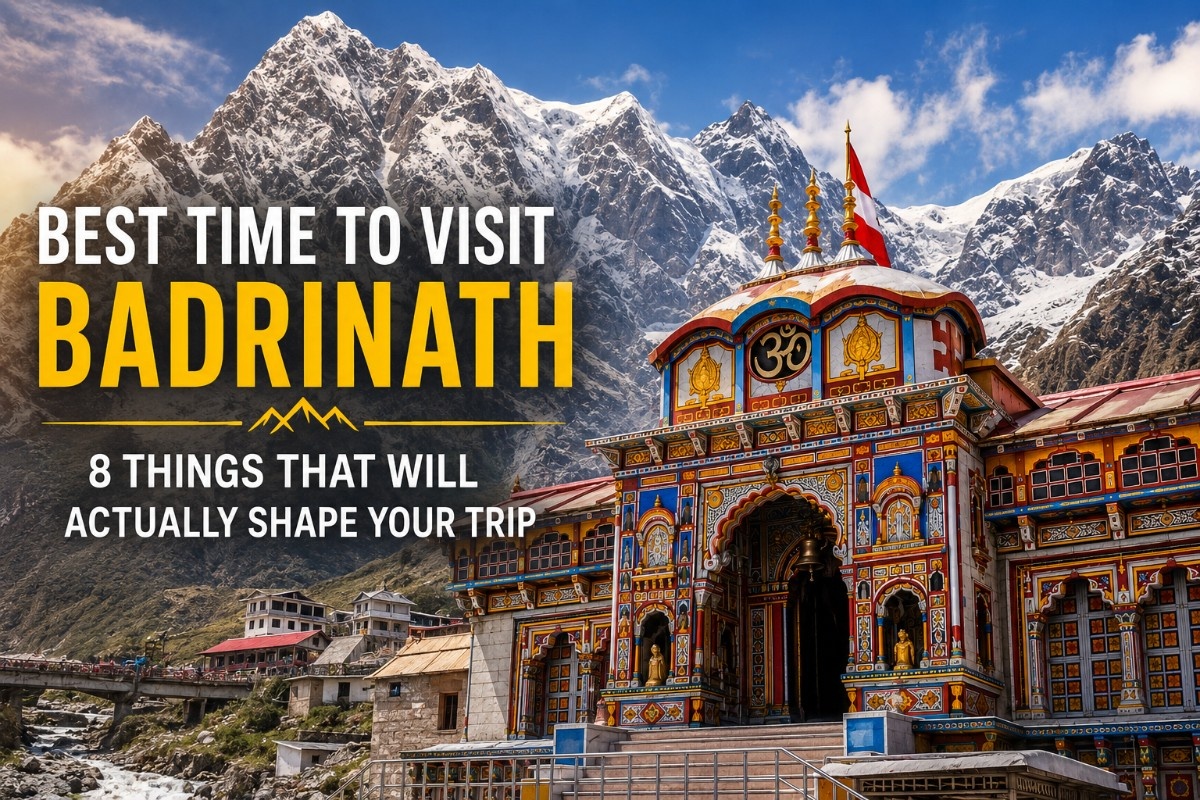
Admin Want to plan your Badrinath Yatra in 2026? From best months to visit and what it actually is like each season, temple timings, road conditions and mistakes you can avoid- everything in this one place.. No fluff — just what you need.
So Most people when they want to visit Badrinath… One line on some travel site… Say May to June is the best… And that is it… Which is fine until you are standing at a petrol station at Joshimath… At 7 PM… Freezing and having no idea if the road beyond is even open after the rain last night.
Badrinath is quite different from all other pilgrimages. It is at a height of 3,133 metres above the sea level in Chamoli district of Uttarakhand… And the weather at such altitudes… Cannot be put in such straight lines… There can be landslides at any time, at night it can be very cold even in summer months and the temple is closed for 6 months in the year!
So, to choose the best time to visit Badrinath is not about just choosing the month… It is choosing a particular way… Be it the rush of the crowd, the cold nights, easy and pleasant road travel or an exasperating and dangerous one, or serene darshan or 4 hours of queuing.
Here is the honest breakdown.
1. The Temple Does Not Stay Open All Year — Know the Dates First
That is the starting point to plan your trip. The opening of the Badrinath temple happens every year somewhere around end of April to the beginning of May depending upon the Hindu Panchang. This date is informed to all by the head priest on the occasion of Basant Panchami.2026 opened on April 23rd at 6:15 and this was the beginning of Char Dham Yatra season.
Badrinath’s closing deadline normally takes place following Dussehra (which is typically the 2nd or 3rd week of November).. The date is somewhere in mid-November. For example, this year it should occur around November 13-15, 2026; however the date of closure is determined only on the day of Vijayadashami.
During the intervening months between closing and reopening Badrinath the town, for all intents and purposes, ceases to exist. As there is so much snowfall, the town is buried and the idol of Lord Badrinarayan is moved to the Narsimha temple at Joshimath where religious rituals are carried on during the winter months. There are no shops to be opened or anything-everything is closed..
One more thing before you book: biometric registration is now mandatory for all pilgrims. It is free and takes ten minutes online at registrationandtouristcare.uk.gov.in. Do it before you leave home. Do not wait until Rishikesh or Haridwar — the queues there are long.
2. May and June — Busy, Warm-ish, and the Most Convenient Window
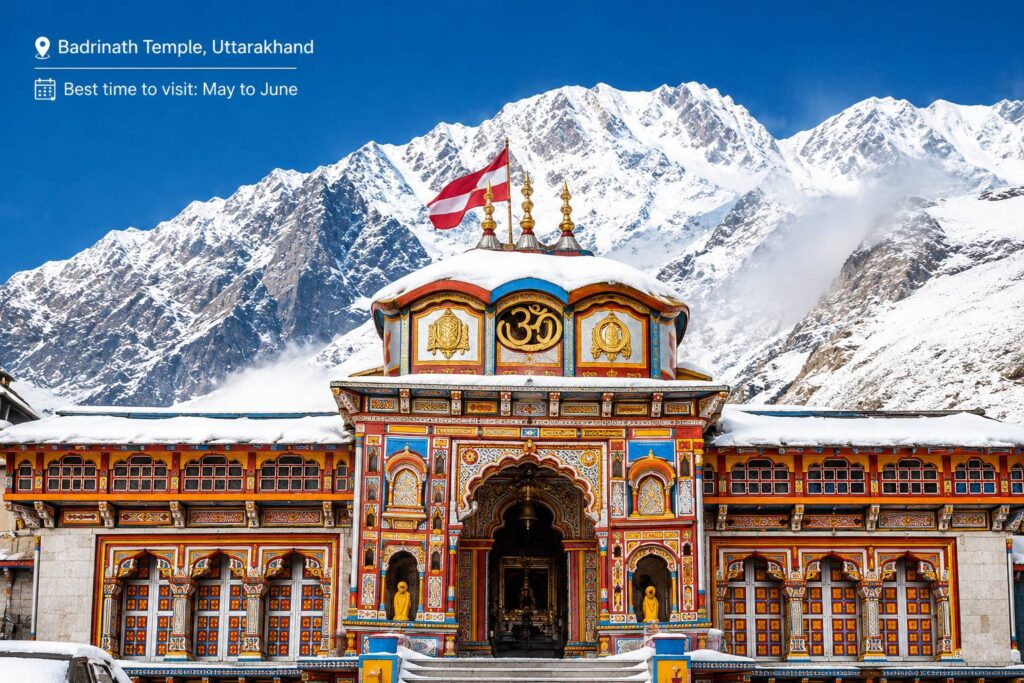
It is May and June that marks the peak season.The roads are open and roaring, the entire yatra route and Badrinath town are packed to capacity with all guest houses, dhabas and shops taken up. Most of the children accompanied by elders or going on their first yatra travel at this time. The reasons for this are self evident:
During the day the temperature sits between 12 C and 18 C. Perfect for a amble, and visit Mana village, or sit by the Alaknanda, but in the evenings the temperature drops below 7 C, each year people underestimate this, and purchase very overpriced pashminas from the roadside stalls outside the temple.
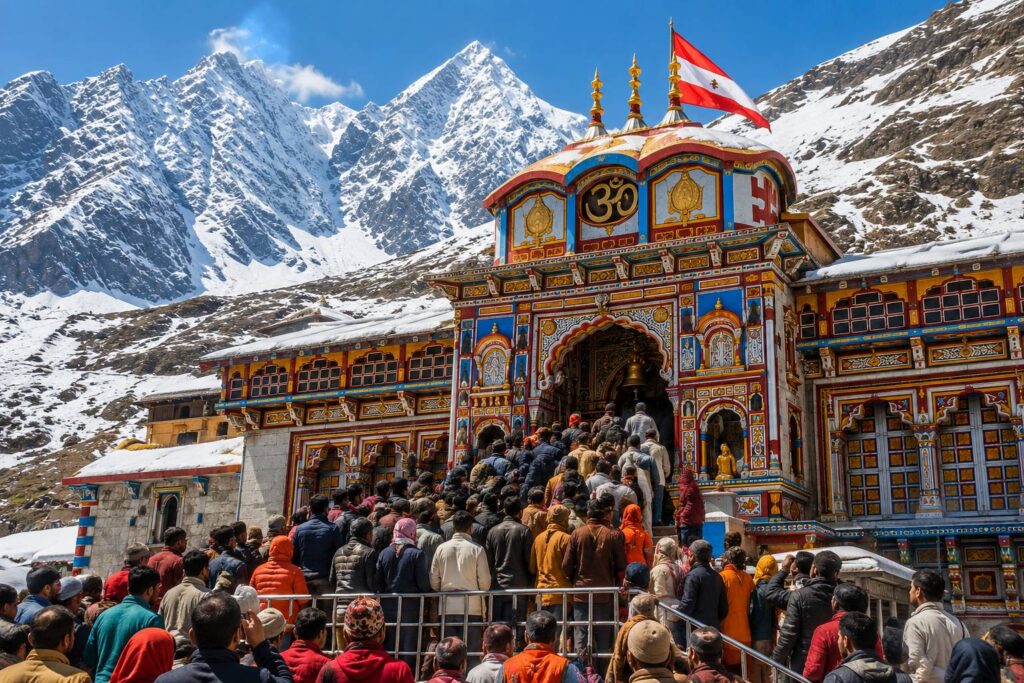
But the disadvantage is also unavoidable: crowd.So far, the number of applicants who have applied for the Char Dham visit during the initial phase of yatra in 2026 has reached up to 17.8lakh. Queue length in darshan on an average busy morning of May usually extends up to 2-3 hours. Hotels book out weeks in advance.When you’re booking a hotel in a group of 4 or more people, try to consider hotels at least a month prior.
The Maha Abhishek puja begins at 4:30 AM and is deeply sacred. Many yatris consider this the spiritual highlight of the entire journey — but you have to be willing to wake up in the cold and dark for it.
check another blog: Dharamshala Paragliding Cost 2026
3. September — The Month That Experienced Travellers Swear By
Ask anyone who has been to Badrinath more than once. Many will tell you September — specifically the second half of September — is the real sweet spot.
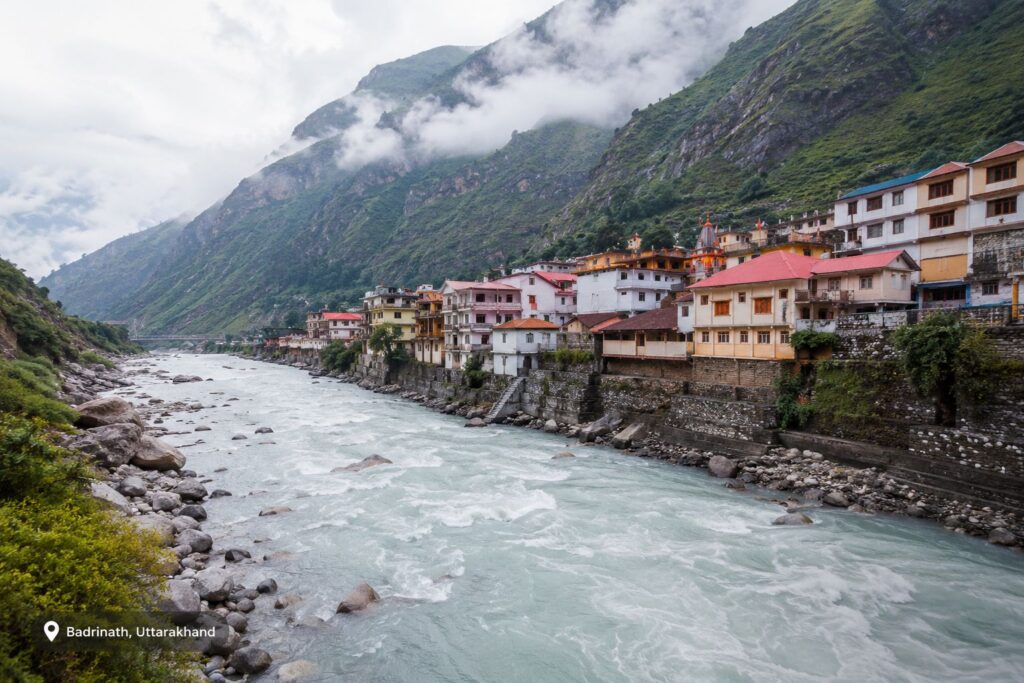
The monsoon starts pulling back from Garhwal by mid-September. The skies clear up. The roads stabilise. It appears absurdly green having just come through months of rain and the Alaknanda is swelling, turbulent, and rushing down through the valley. Neelkanth, which stands sentinel behind the temple, can often be seen, perfectly defined and sharp after the rains have washed the air..
And the crowds thin out dramatically. The Char Dham rush of May-June is over. October travellers have not yet arrived.You can often walk in most days, do your darshan with room to breath and sit quietly at Tapt Kund with just a handful of others.
Average daytime temperature is between 10C and 15C and at night it drops considerably.. Carry proper warm layers. One fleece is not enough — layering works better at altitude than a single heavy jacket.
One caution: early September still has some monsoon risk. If you are booking September travel, go for the last two weeks. Keep a buffer day in your itinerary. Pipalkoti and Lambagad sections of the route are historically prone to landslide risk in this period — checking BRO road updates on the morning of travel is not optional, it is necessary.
4. October — Cold, Quiet, and Surprisingly Underrated
Traveler seeking privacy would be well rewarded in October for making this choice; nights dip below 0c by mid October; during days, 5-12c prevail
But what you get in return is rare. The queues are nearly gone. Snow begins dusting the high peaks around the valley, creating a visual that photographs do not fully capture. The atmosphere around the temple feels contemplative. Shopkeepers are unhurried. Fellow pilgrims, if you run into them, tend to be serious, quiet people who planned specifically to come at this time.
Go and see the temple closing ceremony. You must try and go before the middle of November; this is an awesome ceremony, the idols being taken out, the “Akhand Jyoti” (eternal flame) lit inside the temple and the doors are closed until the spring.
Real-world issue in October: Accommodation starts to dwindle from the second week as some sites may close down for winter. Book in advance and re-confirm as the date approaches, pack much warmer clothes than you think you may need.
check another blog: Zipline in Rishikesh
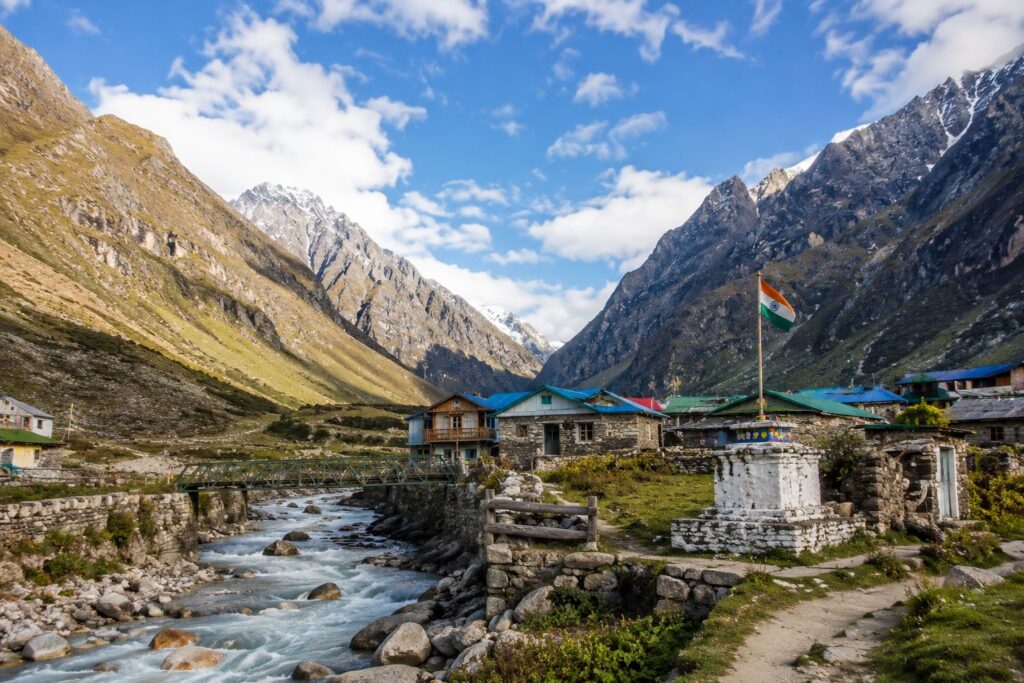
5. Monsoon (July–August) — Possible, But Only If Plans Are Loose
There is a version of a Badrinath trip in July or August that works out fine. And there is a version where you spend two days stuck in Joshimath waiting for a landslide-cleared road. Both are equally likely.
The Garhwal highway — specifically the stretch near Pipalkoti and Lambagad — is known for road blockages from July through August. BRO clears them, sometimes within hours, sometimes the next morning. This is just mountain reality.
What July and August offer that no other months can: complete emptiness. You can have the temple almost to yourself. Hotel prices drop to their lowest. The surrounding forests are thick and dark green. If you enjoy the feeling of being in the mountains with almost no other tourists around you, monsoon travel has a certain raw appeal.
But — and this needs to be stated plainly — travel here without any flexibility in your schedule is a bad idea in monsoon. If you have fixed return flights or a tight office deadline, this is not the season for you. Go with zero non-refundable bookings and at least two buffer days.
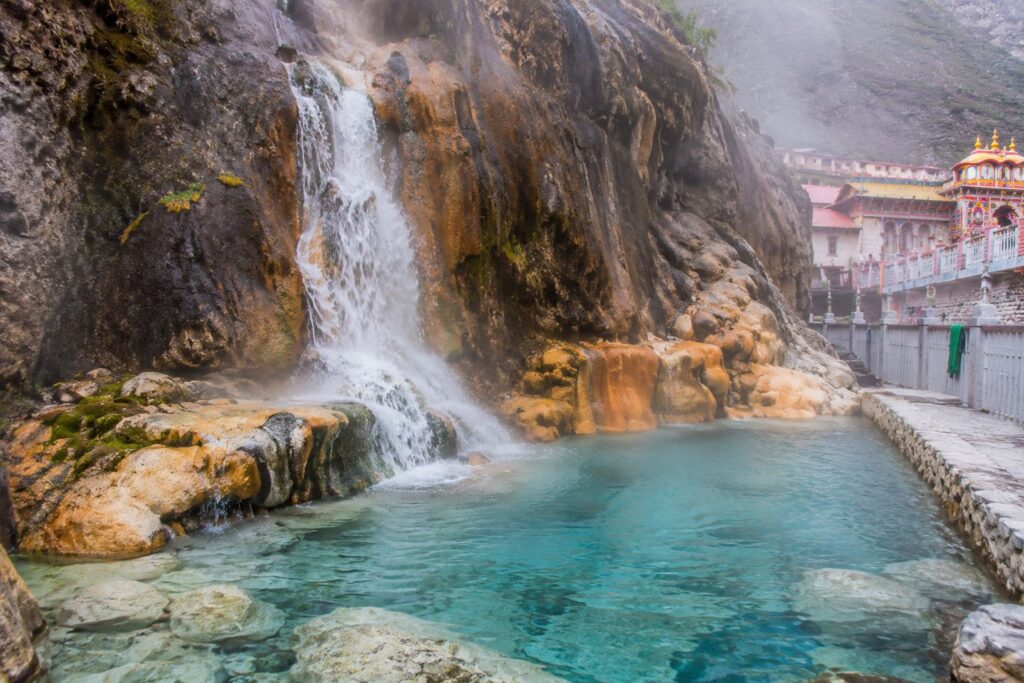
6. November to April — The Temple Is Closed. Do Not Book.
Between mid-November and late April, Badrinath is inaccessible — full stop. Roads close under snowfall. The town is deserted. Temperatures in January regularly drop below -10°C. There is nothing to visit, no darshan, no open dharamshalas.
Some operators sell “winter Badrinath” packages, but read the fine print. Well what they actually talk about is Joshimath, which is 45km away, and the Narsimha Temple goes on even when in winter prayer.Joshimath and nearby Auli, the skiing spot, is easily accessible and nice during winter time; however Badrinath isn’t.
If someone shows you a January Badrinath package at a suspiciously good price, skip it.
7. The Road — Understand It Before You Start
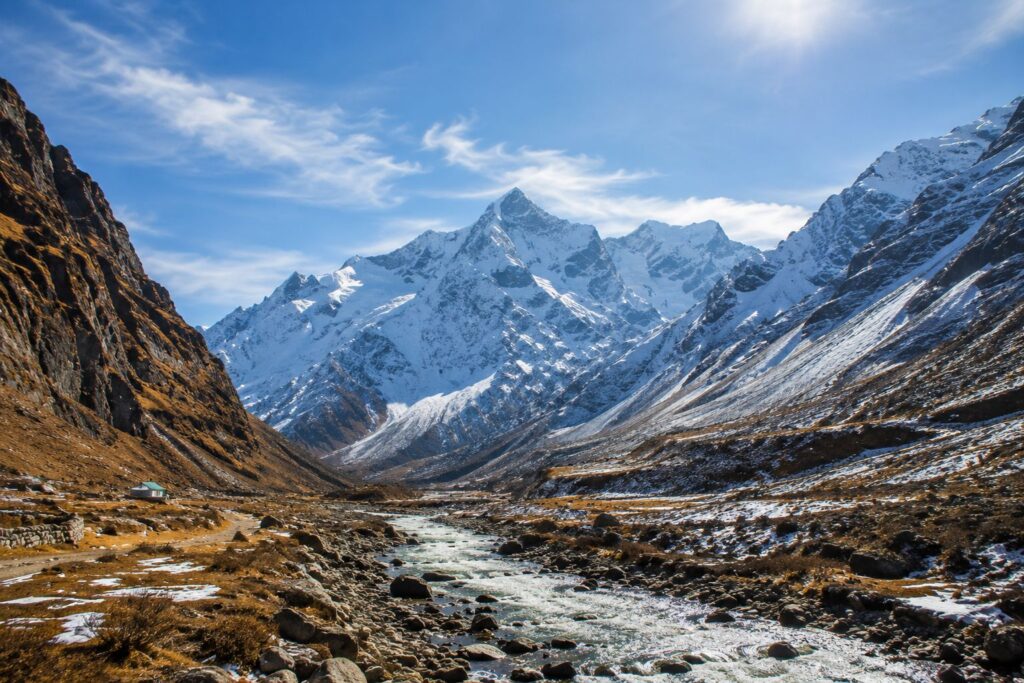
Haridwar lies 320 KMs from Badrinath by road. By road the road is continually upward via Devprayag, Rudraprayag, Karnaprayag, Chamoli and Joshimath from Rishikesh to the temple.The journey is typically completed in 10-12 hours, but in case of bad weather conditions, or construction or accident of vehicle on Pipalkoti – Gauchar road, can be prolonged for 14-16 hours.
Stock up on fuel in Rishikesh and also in Joshimath. The pumps in between cannot be relied upon in peak season and heavy traffic. Download offline maps when in Rishikesh – phone signal is scarce in large areas of the valley.
The final section, from Joshimath to Badrinath gains altitude from 1875m to 3133m, a distance of approx 46 km.. This is where altitude gets people especially those who drove straight from Delhi or Mumbai the previous day. Acclimatisation: Rest for minimum one night at Joshimath before start climbing up. This single step avoids most of the altitude sickness complaints that otherwise ruin well planned trips .
Helicopter services are available for senior citizens, cardiac and respiratory problems patients, from Sahastradhara helipad, Dehradun. Packages including return trip, cost from 86,000 approximately per person and 75Kg as maximum weight limit.
check another blog :Bir Billing Paragliding Price 2026
8. Quick Planner — Best Time Based on Who You Are
| Traveller Type | Ideal Month(s) | Key Reason |
| First-time family trip | May or early June | Roads smooth, full services, familiar feel |
| Senior citizens / health concerns | May or helicopter in any open month | Stable roads, best medical access nearby |
| Budget traveller | Late September | Lower hotel rates, post-monsoon clarity |
| Photographer / nature lover | Late September or early October | Best skies, snow on peaks, green valleys |
| Solitude seeker | October | Minimal crowds, closing ceremony option |
| Adventurous / flexible traveller | July or August | Empty temple, monsoon landscape, low cost |
A Few More Things Worth Knowing
Badrinath Darshan Timings 2026- 4:30AM- 1:00PM and 4:00PM- 9:00PM. The noon closing is very strict. It is very essential to be there for the Maha Abhishek Aarti at 4:30 AM and Shayan Aarti at 8:30 PM as it would add more spiritual significance to the tour. Try to book a hotel near the temple premises so that you can attend both without getting cold while traveling in long walking ways.
Badrinath doesn’t have many ATMs and during high season they run out of cash. Carry enough cash from Joshimath/Chamoli. Dhabas & small shops near the temple hardly take credit cards.
Places close to Badrinath that are not so common but recommended: Mana Village (last Indian village at the Tibetan border; 3 kms from the temple), Vasudhara falls (a 9 kms trek; really a wonderful spot) and Brahma Kapal (flat rocks on the river bed where ancestors are prayed to).
Badrinath’s mountains give good planning a hefty bonus while severely punishing poor planning.
check another blog : Best Bungee Jumping in Rishikesh
Tags: best time to visit Badrinath, Badrinath yatra 2026, Badrinath temple opening date 2026, Badrinath travel guide, Char Dham Yatra season, Badrinath weather by month, September Badrinath, when to visit Badrinath, Badrinath road conditions

 Admin
Admin 
[…] check another blog : Best Time to Visit Badrinath […]