 Admin
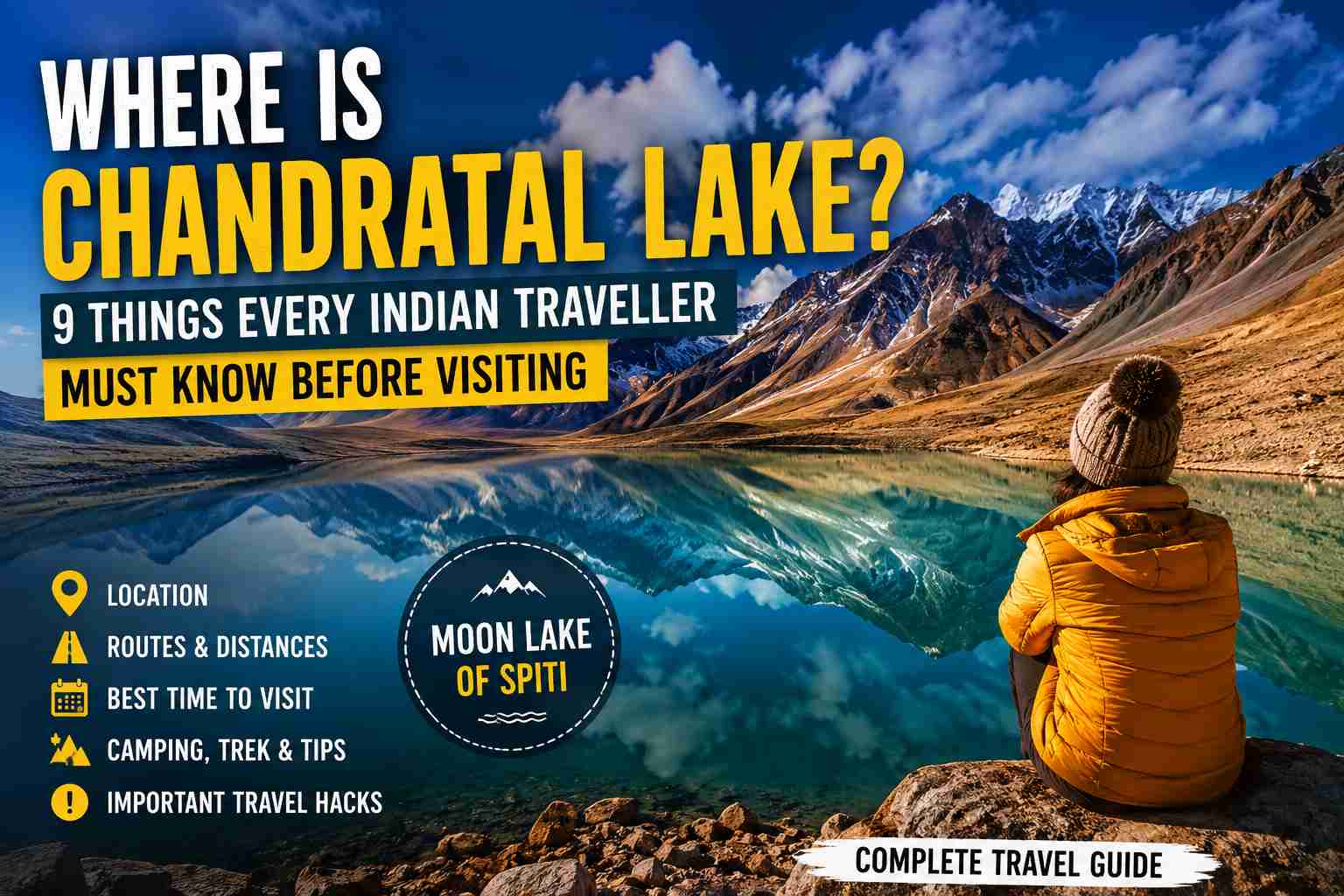
Admin If you’ve been scrolling through Spiti Valley reels and wondering where is Chandratal Lake exactly, you’re not alone. This crescent-shaped, colour-changing lake in the Himalayas has become one of the most searched offbeat destinations among Indian travellers, yet most people have no idea how remote — or how rewarding — it actually is.
Here we’re getting straight to the point: we will tell you where Chandratal Lakeis located, how to reach the Chandratal Lake fromDelhi,Manali, or Shimla, best months to visit and those travel hacks which blogs conveniently miss. So, all solo travellers or those in for a family road-trip to Himachal, buckle up.
Most travel sites will just spit out the basics and leave you at that. We collated information from recent traveler feedback, current road conditions, and on the ground information to compile this; a trip into the mountains requires a little more consideration then relying on basic knowledge that hasn’t been updated in decades. One overlooked piece of road info or a lack of altitude sickness preparedness can truly tank a holiday, so we’ve tried to be upfront and relevant.
1. Where Is Chandratal Lake Located?
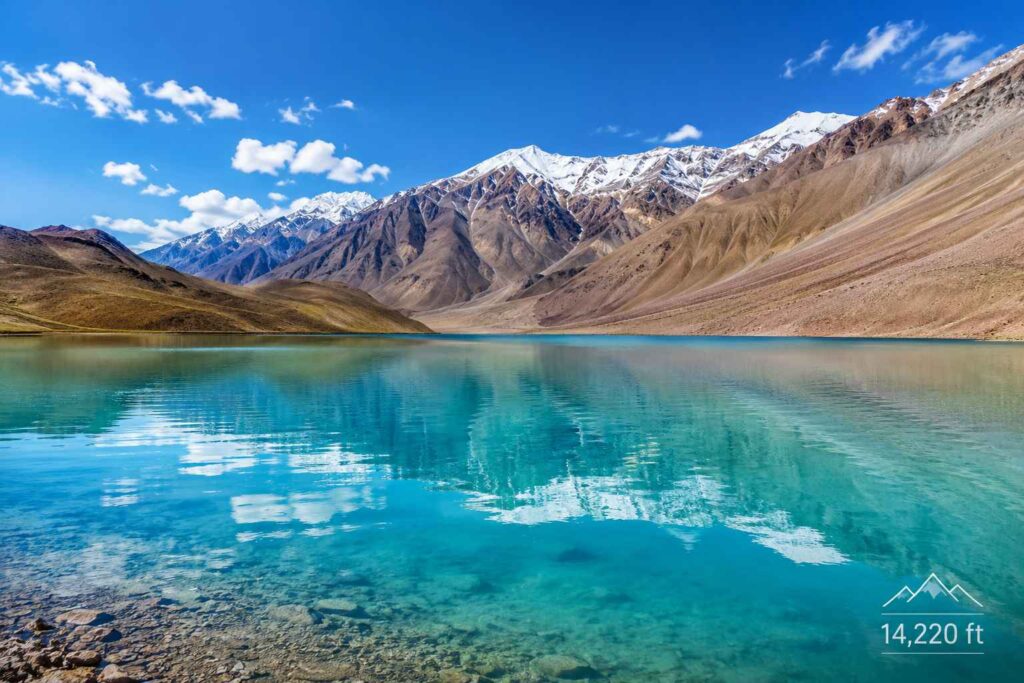
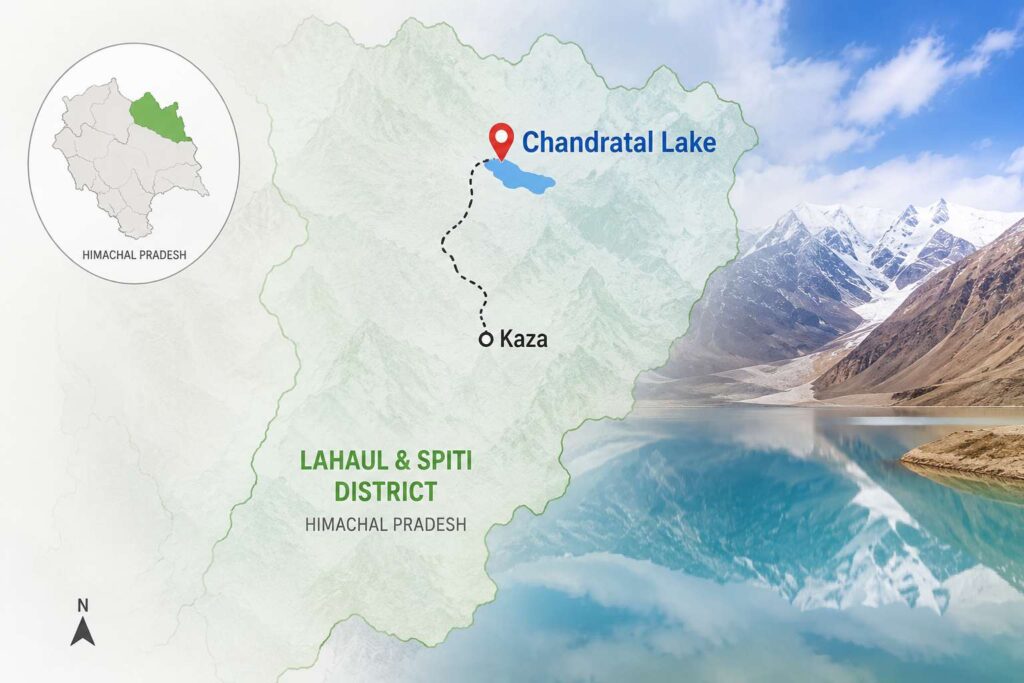
Let’s answer the big question first. Chandratal Lake is located in the Spiti Valley region of Lahaul and Spiti district, Himachal Pradesh, close to the Chandra-Bhaga mountain range. It sits at an altitude of about 4,270 metres (14,220 feet), positioned between a low ridge and the main Kunzum range. It’s a freshwater lake with a circumference of roughly 2.5 km and is the source of the Chandra river, which eventually merges into the Chenab.
Chandrataal is one of those names that varies with everyone – Chandratal, Chandra Taal or Chandrataal. The name “Moon Lake” directly refers to its most beautiful trait – that is its perfectly shaped Moon-lit body shape and just like how the moon rises high in the sky, the Moon lake can be spotted from miles above in this barren part of Spiti valley. The trekkers and locals frequently address the crescent shaped water body as the Moon Lake of Spiti.
The Fun Fact The fun fact is if you’re mixing Himachal itinerary with hill-station hopping, the destination is very compatible with one to explore the best places to visit in Shimla before proceeding.
2. How Far Is Chandratal Lake From Major Cities?
Distances matter a lot when you’re planning a high-altitude trip, so here’s a quick breakdown:
- From Manali: Chandratal Lake approximately 7-8 hours drive with help of Rohtang pass, and this distance is approx 140 kms to go there. Also, some of the blogs have mentioned Chandratal Lake’s final bit 125 KMs away from Manali – Kaza highway, if this is a selected way of going there you will drive along with this distance as well
- From Kaza (Spiti’s headquarters): Just about 90 km, making it the closer access point.
- From Delhi: The most common routes go through Manali, from which you take a ride on towards Spiti – so it is rather a multiple day experience than just weekend getaway.
- From Shimla: The route goes through Narkanda, Kinnaur, and Kaza before reaching Chandratal, offering a gentler altitude gain.
3. The Two Main Routes to Reach Chandratal Lake
There are only really two access points to this region, and selecting the proper entry has a profound effect on the remainder of your excursion.
Route 1 – Manali Side: Manali – Rohtang Pass – Gramphu – Chhatru – Batal – Chandratal. This is shorter but involves a steep, sudden altitude gain, which increases the risk of altitude sickness if you don’t acclimatise properly.
Route 2 – Shimla-Kinnaur Side: Shimla – Narkanda – Karcham – Nako – Tabo – Kaza – Kunzum Pass – Chandratal. This route is longer in distance but ascends gradually, which most experienced travellers and guides actually recommend for safer acclimatisation.
If your trip already includes a stop in the hills, it’s worth checking out the Best Tourist Places in Shimla since this town often becomes the starting point for the Kinnaur route.
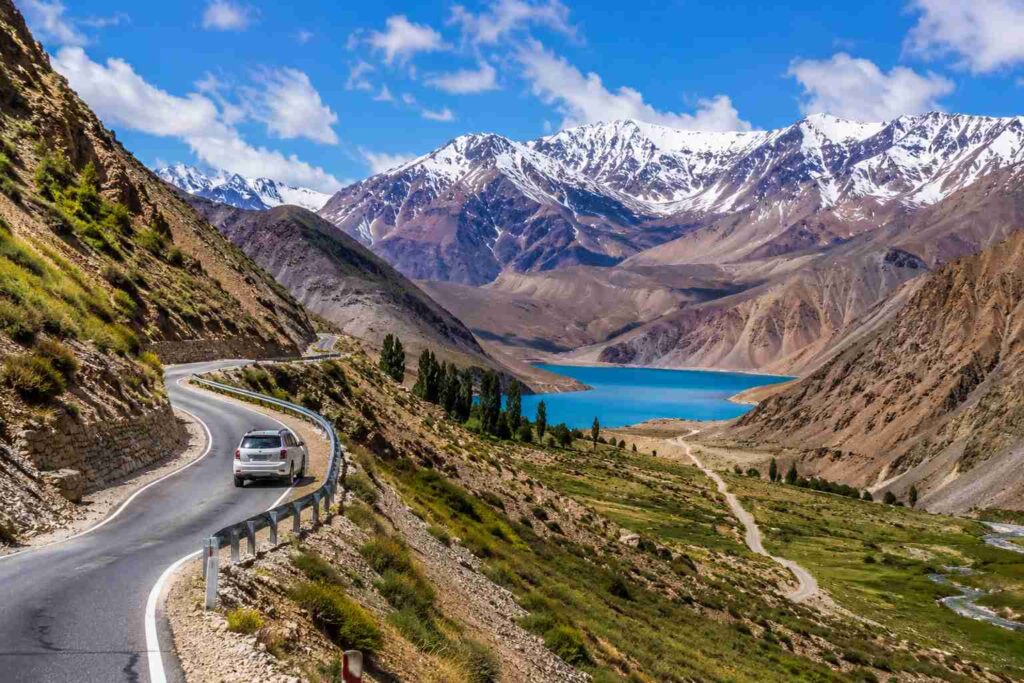
4. The Last Stretch Isn’t a Smooth Drive — Here’s What to Expect
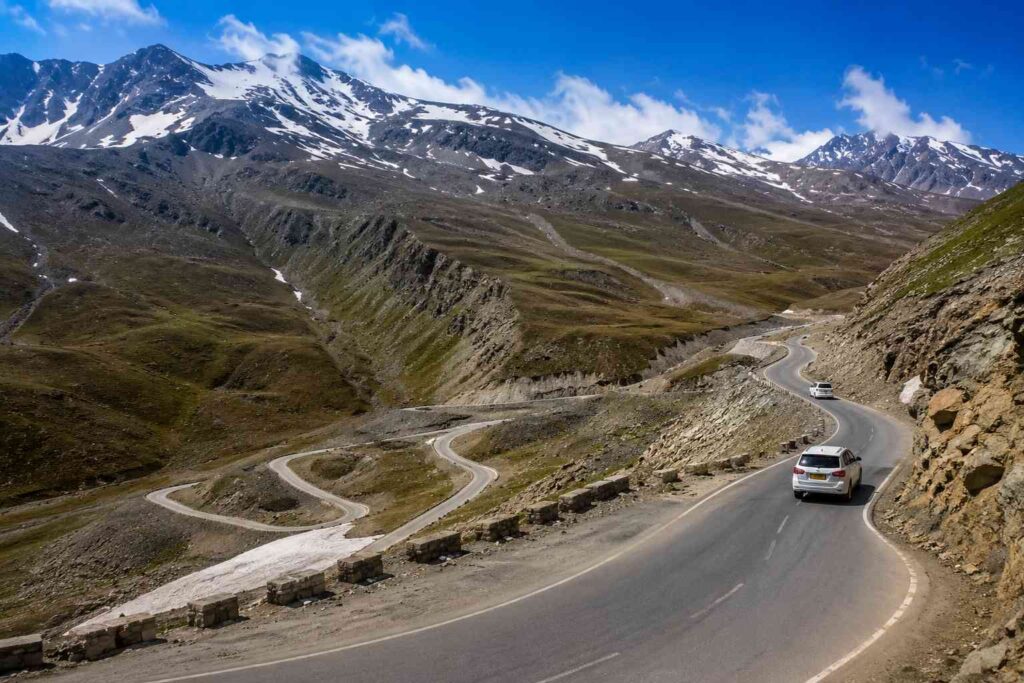
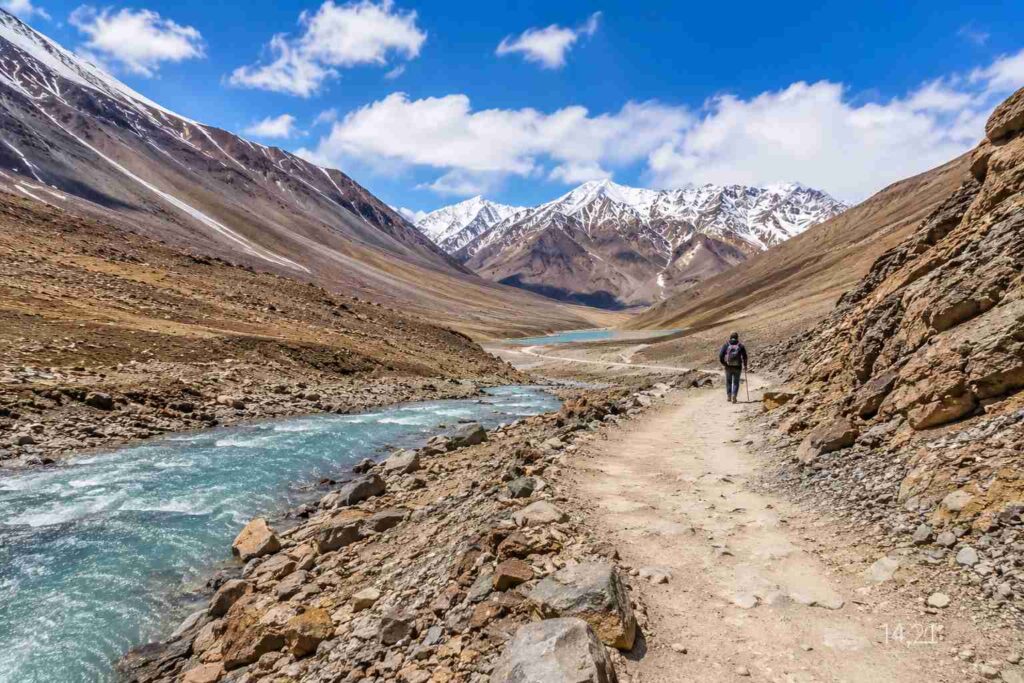
This is the part most polished travel brochures don’t tell you. There is no direct motorable road all the way to the lake — vehicles can go only up to a fixed parking area, and the final stretch must be covered on foot. The motorable road ends about 2 kilometres before the lake, and you’ll need to walk the rest.
The stretch from Batal to the lake is notoriously difficult — it’s essentially a dirt track cut into the mountainside, often just wide enough for a single vehicle, with frequent river crossings, especially in the early season. That is the reason it’s to your advantage for you to hire regional experienced local motorists as opposed to letting autonomous driving if you’re a stranger to mountain areas.
5. Best Time to Visit Chandratal Lake
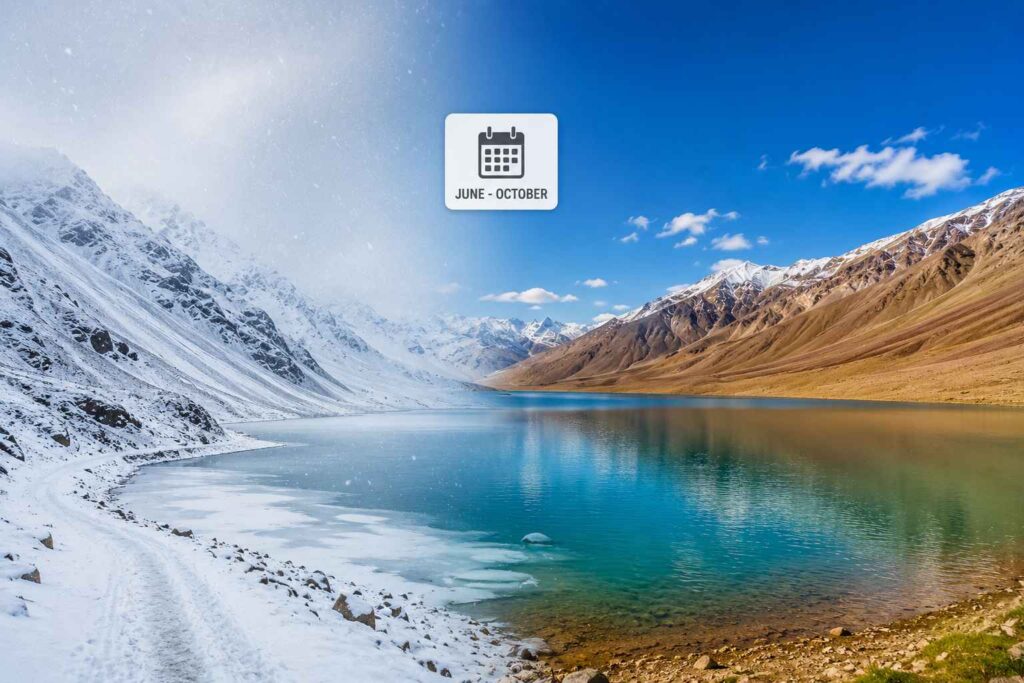
It pays off to visit it at the correct time. Chandratal Lake is open to tourist only for two to four months in a year, betweenmid-June and October. It’s impossible to travel here between January and April, as heavy snow blocks the roads beyond Losar, and even in May, snow clearance is still in progress, so the lake remains inaccessible.
June to early October is the recommended window — early June can still have rough roads from snowmelt, while late September brings noticeably cold nights as winter approaches. July and August do bring monsoon rain, but the region generally stays accessible — just keep an eye on landslide advisories.
6. Why the Lake’s Colour Keeps Changing
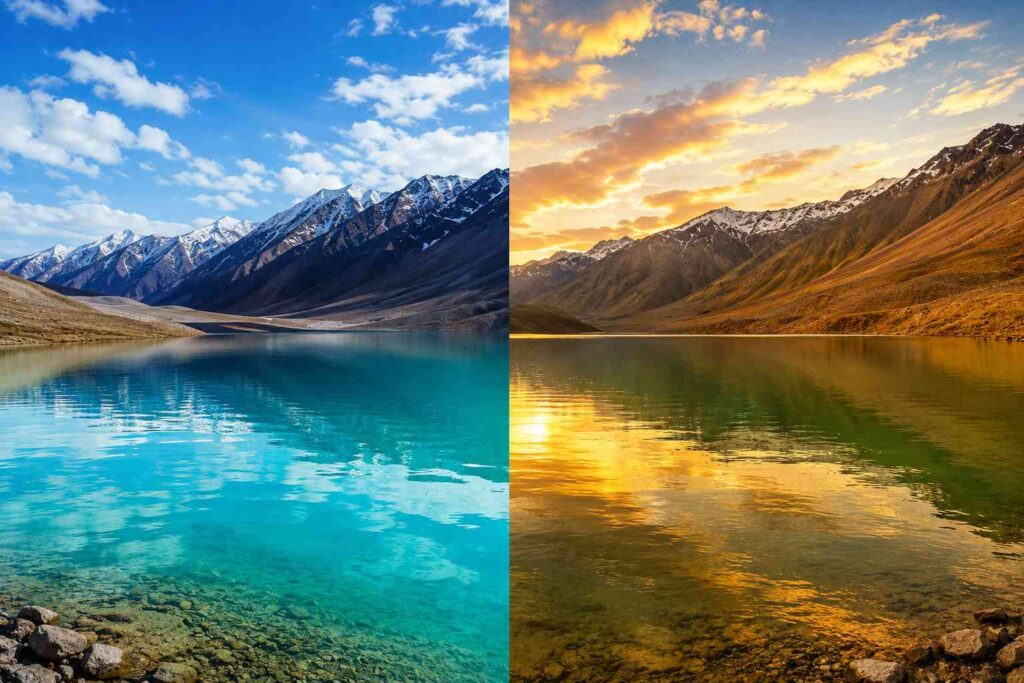
One of the most magical things about Chandratal isn’t just its location — it’s what happens once you’re standing there. This water color changes by hours of the day: bright, vivid Turquoise for most of the morning turns into steel blue by late morning and into an amazing deep gold-green by late afternoon. You’ll also find clear turquoise and emerald greens in morning where the sky is deep blue. Photographers stay an extra day just to watch this changing play of color!
7. Altitude Sickness Is a Real Risk — Plan Accordingly
Because of how high and remote this lake is, your body needs time to adjust.Acclimatise If you’re planning the trip to Chandratal via Manali, consider a stopover in the city or Kaza to acclimatise for at least a night, before you continue. If the plan is to do Chandratal via Shimla, make at least a two night stay in Kaza or any of its villages like Langza or Kibber.
The same golden rule for trekkers in the Himalayas applies here as well, “climb high, sleep low” and don’t exert yourselves on day 1 up at the altitude.
8. Where to Stay Near Chandratal Lake
Don’t expect hotels by the lakeside — and that’s intentional. Camping is not allowed within a 3 km radius of Chandratal Lake to protect the fragile environment. All the Accommodation options are approx. 2-3 km before the lake and on campsites, Mostly eco camps and tent accommodations.
If you’re someone who likes contrasting your mountain escape with a coastal one later in the year, you might also enjoy planning a separate trip to the Best Beach Resorts in North Goa for a complete change of scenery.
9. Quick Travel Checklist Before You Go
A few essentials worth packing and planning for:
- Warm layers, gloves, and a cap — it gets cold even at night during summer months
- Comfortable walking shoes for the final trek to the lake
- Cash, since digital payments are unreliable in remote villages
- A buffer day in your itinerary for weather delays or altitude rest
And once you’re done exploring the cold deserts of Spiti, India still has plenty of contrast to offer — from the lush green hills covered in the Tourist Places in Maharashtra in Summer to the laid-back coastal vibe further south.
A Quick, Honest Note Before You Pack Your Bags
Chandratal isn’t a “tick it off the list” kind of place. Mobile network is patchy to non-existent once you’re past Kaza, ATMs disappear, and the nearest proper medical help is hours away. Anyone that’s completed it before will repeat the exact same idea to you – not the lake itself, but how the experience tests you and leaves the initial sight of the water feeling that you’ve earned it rather than taking it.
If you’re bringing young children or elderly parents along with you, have an honest appraisal of just how physically demanding it will be rather than buying into the perfect Insta reel. Speak to an experienced tour operator that has been along the route recently, get their update on current road conditions just before you go and factor in a buffer day or two. Spiti rewards patience far more than it rewards rushing — and that’s really the one piece of advice every first-timer should walk in with.
Frequently Asked Questions (FAQs)
Q1. Where is Chandratal Lake located exactly? Chandratal Lake is located in the Spiti Valley region of Lahaul and Spiti district in Himachal Pradesh, near the Kunzum mountain range, at an altitude of around 4,270 metres.
Q2. How many days are needed to visit Chandratal Lake? Most travellers plan 5–7 days for the full Spiti-Chandratal circuit, including acclimatisation stops, since the journey itself takes multiple days from either Manali or Shimla.
Q3. Is Chandratal Lake open all year round? No. The lake is accessible only from mid-June to early October. The rest of the year, snow blocks the access roads completely.
Q4. Can I drive directly to Chandratal Lake? Not all the way. Vehicles stop at a designated parking area, and the final 2–3 km stretch must be covered on foot.
Q5. Is it safe to visit Chandratal Lake for first-time travellers? Yes as long as you take time to acclimatise and make sure to have a local, experienced driver in the tricky section and try not to make your altitude gain in one shot.
Q6. Which route is better — Manali or Shimla? The shimla-kinnaur way is considered as one of safest route when acclimatization goes with the time because the climb for the altitude gain is smooth and gradual whereas in the way of Manali the route is shorter but the climb is very steep.
Planning your Himachal trip alongside other Indian getaways? Don’t miss our guides on Tourist Places in Maharashtra in Summer,Best Beach Resorts in North Goa, and Best Tourist Places in Shimla for more travel inspiration.

 Admin
Admin