
 Admin
Admin Every second travel blog about Shiva Temple Uttarakhand reads like it was written by someone who’s never left their laptop. Same ten names, same copy-pasted “surrounded by scenic beauty” line, no real numbers, nothing you can actually use to plan a trip. I’ve been to six of these ten myself over the last few years, and the other four I’ve cross-checked properly with pilgrims and local guides rather than lifting from some tourism PDF. So this one’s going to be a bit messier, a bit more opinionated, but hopefully far more useful.
One thing worth saying upfront — Uttarakhand isn’t called Devbhoomi (land of gods) as a marketing gimmick. Shiva worship here goes back well over a thousand years in some cases, and the geography itself plays a role. These aren’t roadside temples; several of them sit at altitudes where your lungs will genuinely complain. Keep that in mind before you get too ambitious with your itinerary.
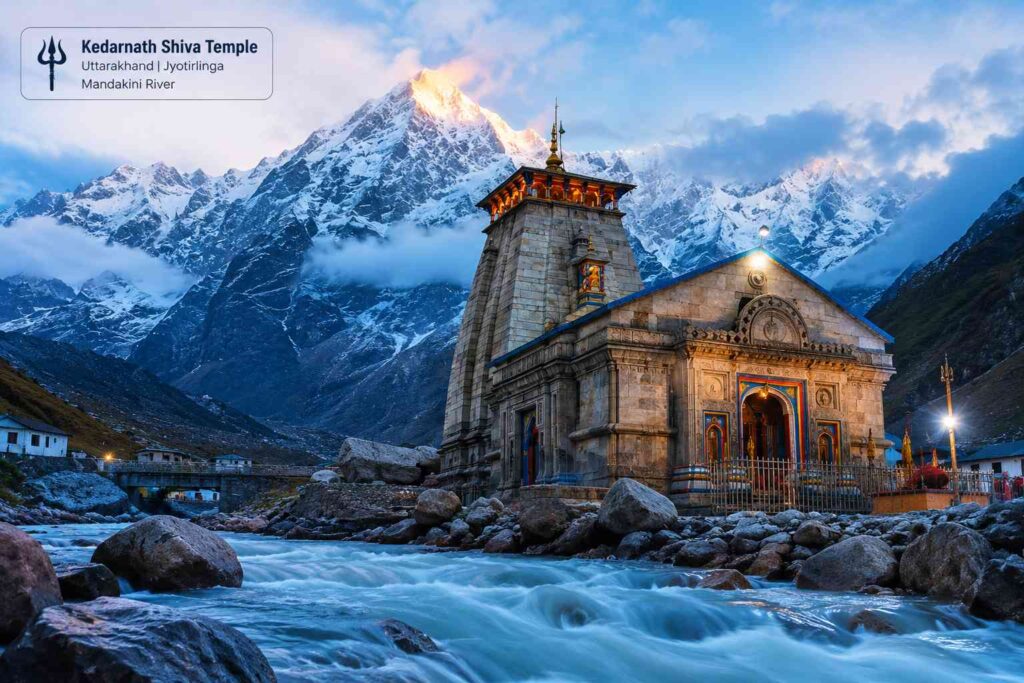
1. Kedarnath — The One Everyone’s Actually Talking About
If there’s a single Shiva Temple Uttarakhand pilgrims dream about, it’s this one. Kedarnath sits at roughly 3,583 metres in Rudraprayag district, next to the Mandakini river, and it’s one of the twelve Jyotirlingas — which in plain terms means it’s among the handful of Shiva sites considered the most powerful in the country. It’s also folded into the Char Dham Yatra, so from late April to November the crowds here are genuinely overwhelming. Uttarakhand Tourism recorded over 15 lakh pilgrims here in 2024 alone, and 2026 numbers are expected to be even higher.
Here’s the part most blogs skip: getting there costs money and effort, and how much depends entirely on your choice. The classic route is a 16-km trek from Gaurikund — doable on foot, by pony, or by palki if your knees have opinions. If you’d rather skip the trek altogether, IRCTC’s HeliYatra service runs shuttle helicopters from three helipads: Sirsi (around ₹6,390 one-way), Phata (around ₹10,164), and Guptkashi (around ₹12,762), plus a convenience fee and 18% GST on top. Prices go up sharply if you book last-minute — expect a 20% jump if you book 6–15 days out, and up to 50% more if you’re booking same-day. My honest suggestion: book the moment the window opens, because Guptkashi slots have sold out within 90 minutes in past seasons.
One thing that trips people up — you need a Char Dham Yatra Registration (a URN number) before you can even attempt the helicopter booking or, technically, the trek. Do this weeks in advance on the Uttarakhand government’s official portal, not through some agent who slides into your WhatsApp promising “confirmed seats.” The temple itself closes completely from around mid-November to the following April/May because of snow, so timing your visit for May–June or September–October isn’t optional — it’s the only real window.
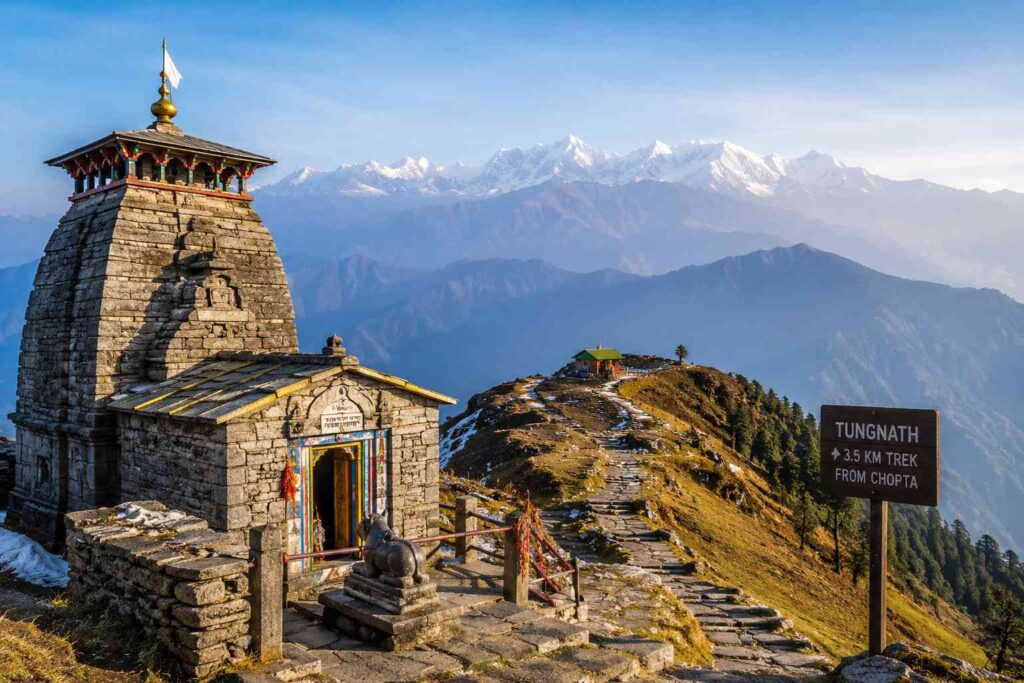
2. Tungnath — Highest Shiva Temple on the Planet, and It Shows
Tungnath holds the record for being the highest Shiva temple in the world at 3,680 metres, and it’s part of the Panch Kedar group — the five temples said to represent different parts of Shiva’s body after he took the form of a bull to escape the Pandavas. This is arm territory, according to legend.
What I like about Tungnath is that it’s genuinely reachable without needing a Char Dham-level commitment. The trek starts from Chopta, a small meadow settlement that’s turned into a proper base camp for trekkers over the last decade, and it’s about 3.5–4 km one way. Sounds short on paper.In reality, though, the thin air up there makes the last kilometer feel a bit longer than it should, so pace yourself and pack a bit more water than you think you might want. Temple hours are 6 a.m.-7 p.m. Daily; the best time to visit is May-November; and if you can muster the extra energy, continue up to Chandrashila peak just above the temple- the 360 views of the Himalayas from the summit, including Nanda Devi and Bandarpunch on a clear day, is really quite worthwhile.
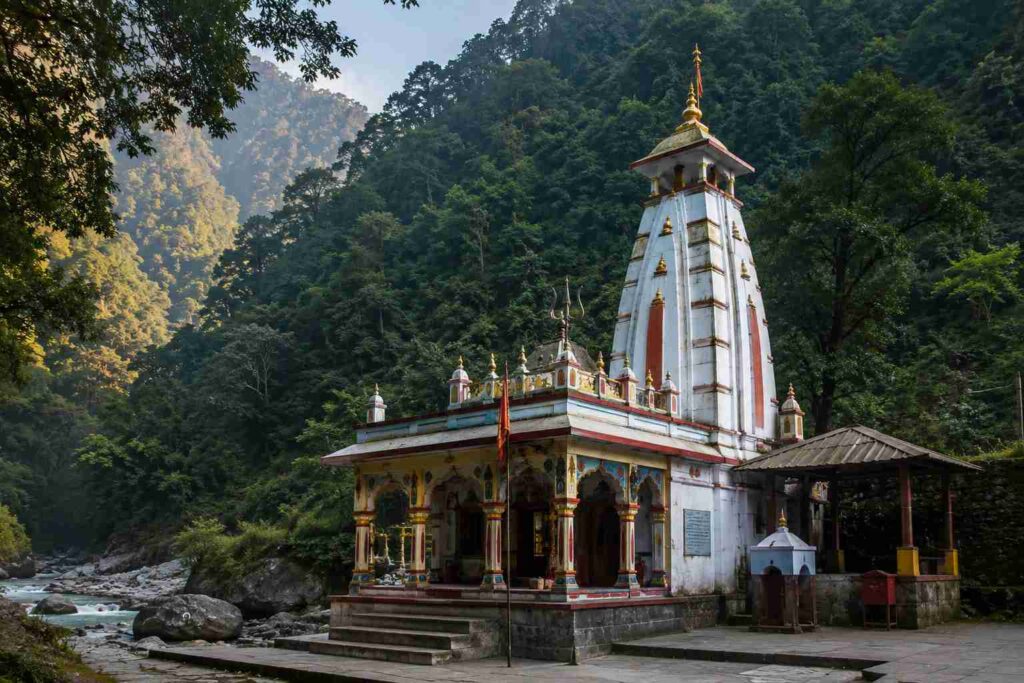
3. Neelkanth Mahadev — The Easy One, and Perfect If You’re Also Chasing Adventure Sports
If you tell someone “I want the spiritual experience but don’t want to die on a mountain trek,” I send them here. Tucked away in the forests about 32 km from Rishikesh is Neelkanth Mahadev, steeped in the story that here he drank the Halahal poison released from the churning of the Samudra, which turned his throat permanently blue. It doesn’t require any treks to get to it; the journey to this Shiva temple is a simple one.
Since you’re already going to be in Rishikesh — and let’s be honest, most people combining a Shiva Temple Uttarakhand trip with anything else end up there — it makes sense to slot in some adventure activity the same trip. A lot of travellers pair their Neelkanth visit with a session of Zipline in Rishikesh , which runs across the Ganga at a decent height and gives you a completely different kind of adrenaline than temple-hopping does. Worth checking the Zipline in Rishikesh Price ahead of time though, because it changes by operator, season, and whether you’re booking the single-line or the longer double-zip package — I’ve seen quotes vary by a fair margin between vendors in the same town.
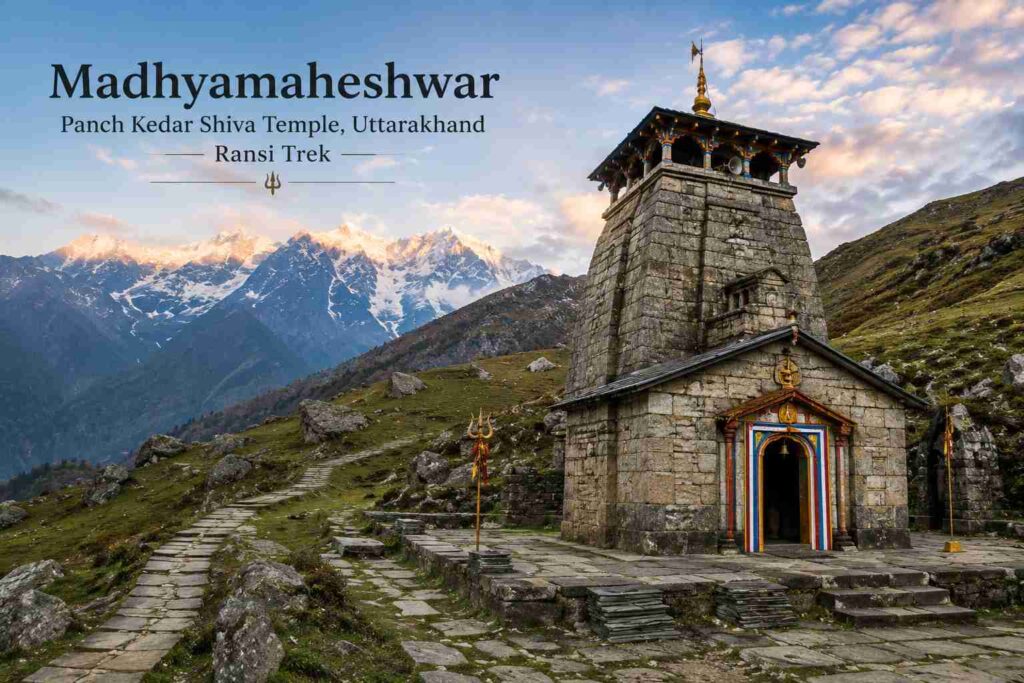
4. Madhyamaheshwar — The Quiet Middle Child of Panch Kedar
Madhyamaheshwar (people also just call it Madmaheshwar) is where Shiva’s navel is worshipped, per the Panch Kedar legend, and it’s genuinely one of the less-visited but most scenic spots on this entire list. You’re trekking roughly 16–18 km from Ransi village via Ukhimath, through meadows and dense deodar forest, with views of Chaukhamba and Neelkanth peaks that honestly rival anything in the more famous treks. Budget 6–8 hours for the climb, and plan to stay overnight nearby rather than trying to rush it in a day — there simply isn’t enough daylight, and this route doesn’t have the infrastructure Kedarnath does if you get caught out after dark.
5. Rudranath — Not For The Casual Tourist
I’ll be straight with you: Rudranath is the temple on this list I have not attempted, and after talking to two friends who have, I’m in no hurry to. Fourth Kedar, at 2,286 metres, also in Chamoli district, this is where Shiva’s face – the ‘Mukha’ – is adored on a natural rock. Two or three days of trek through oak and rhododendron woods, and unlike Tungnath or even Kedarnath, there is no helicopter to whisk you up the last bit, no ‘palki service’ or anything similar. This is a place where you require real fitness and a guide. And awareness of your limits. May to October is the workable window; outside that, don’t even think about it.
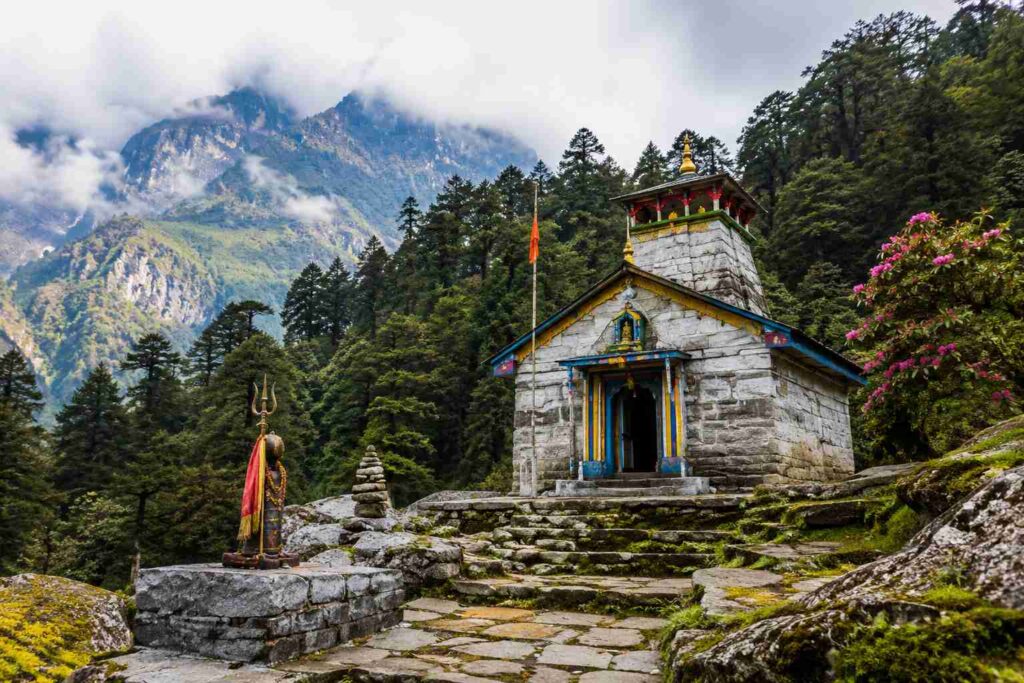
6. Kalpeshwar — The Backup Plan That Works All Year
Kalpeshwar is where Shiva’s matted locks (jata) are worshipped, and it’s the most accessible of the Panch Kedar group by a wide margin — no serious trek needed, just a short walk from the nearest motorable road in Chamoli district. What makes it stand out is the fact that among all the five Panch Kedar temples this is the one which remains accessible throughout the winters, when the other four are closed due to snow. So if you are visiting from December to March and need to have at least one of the Panch Kedar temple visited, then this is it.
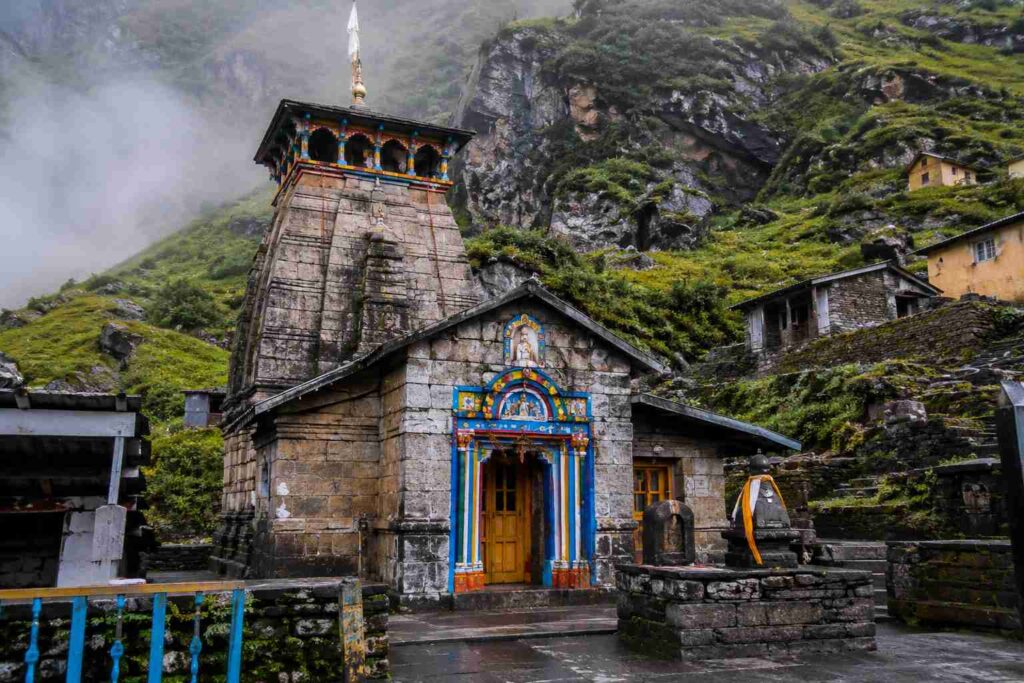
7. Jageshwar Dham — This One Actually Surprised Me
I went into Jageshwar expecting a single temple and instead walked into a complex of roughly 124 stone shrines dating back to the 9th century, spread through a quiet deodar grove in Almora district. The main temple houses one of the twelve Jyotirlingas, so in terms of religious significance it’s right up there with Kedarnath — it just doesn’t get the same crowds, probably because it doesn’t require a punishing trek to reach. Honestly, that’s part of the appeal. You can actually sit and absorb the place without getting jostled. Best time is March–June or September–November; the surrounding pine forest gets uncomfortably cold in peak winter.
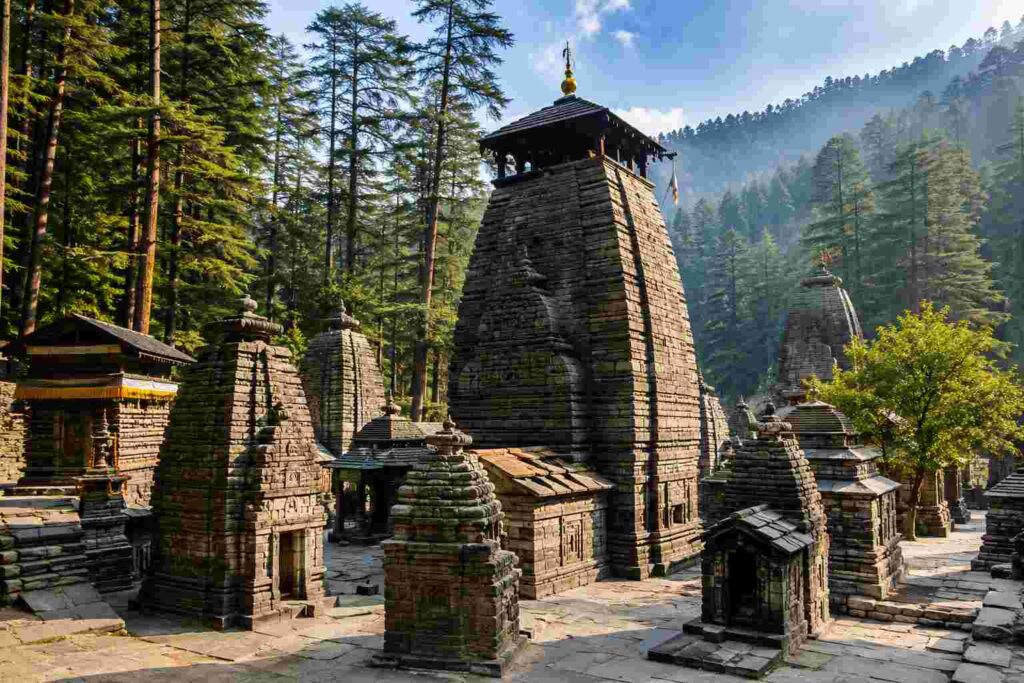
8. Gopinath Temple — Home to a Trident That Refuses to Rust
Located in Gopeshwar town on the Badrinath-Kedarnath route, Gopinath Temple is built around a genuinely strange artifact — a trident said to be forged from eight different metals, believed to have been placed there by Shiva himself, and it hasn’t corroded despite being centuries old. They believe that only a devotee will be able to displace it from here! They were, however built around the 9th-11th century, probably by the Katyuri kings. The main shrine of Rudranath is inaccessible during the winter, and so it is used as the Rudranath shrine for these months. If you are driving towards Chopta or Ukhimath, it is an excellent stop; approximately 10km off of Chamoli town.
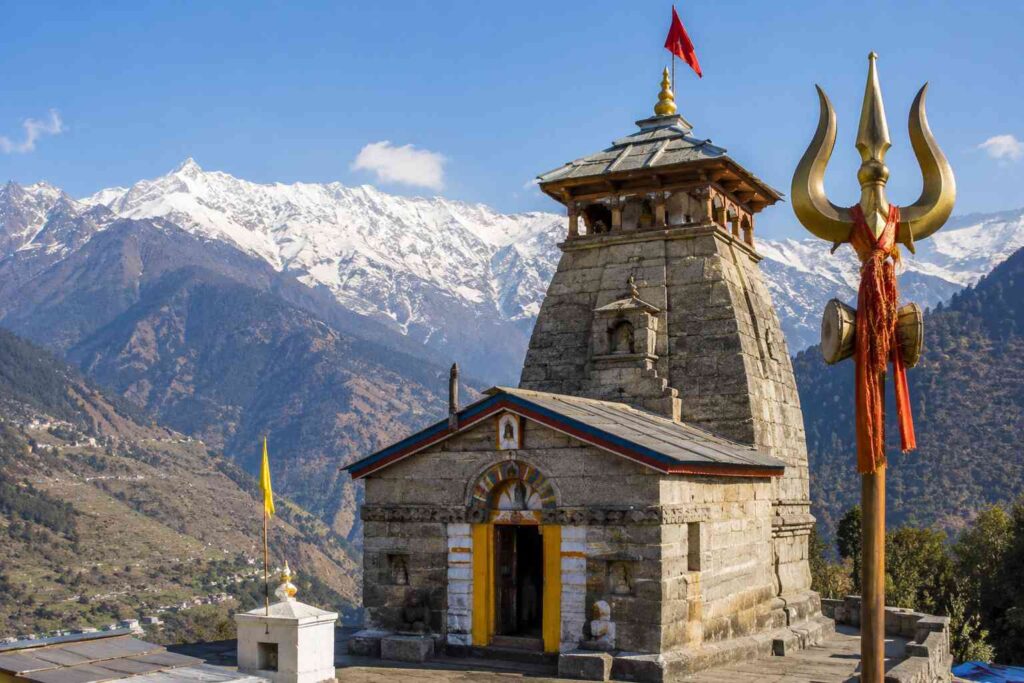
9. Tapkeshwar Mahadev — A Dripping Cave Shrine Right in Dehradun
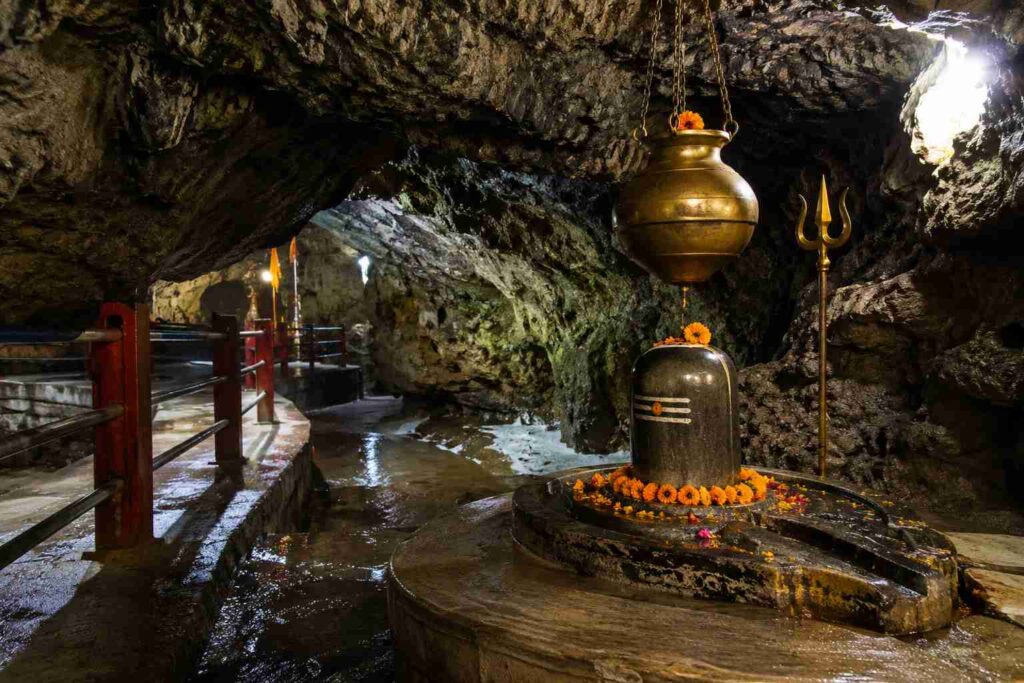
Not every Shiva Temple Uttarakhand experience needs a trek, and Tapkeshwar proves it. This one sits inside a natural cave on the outskirts of Dehradun city, where water constantly drips from the cave ceiling directly onto the shivling below — hence the name. The story connected to this place goes back to Ashwathama, son of Dronacharya from the Mahabharata, who is said to have prayed here as an infant for milk. There are natural sulfur springs nearby too, and quite a few devotees bathe there before going in for darshan. If you’re short on time or travelling with elderly family members who can’t manage a trek, this is genuinely one of the easiest, most rewarding options on the list.
10. Baijnath Temple — A Cluster by the River, Straight Out of the Skanda Purana
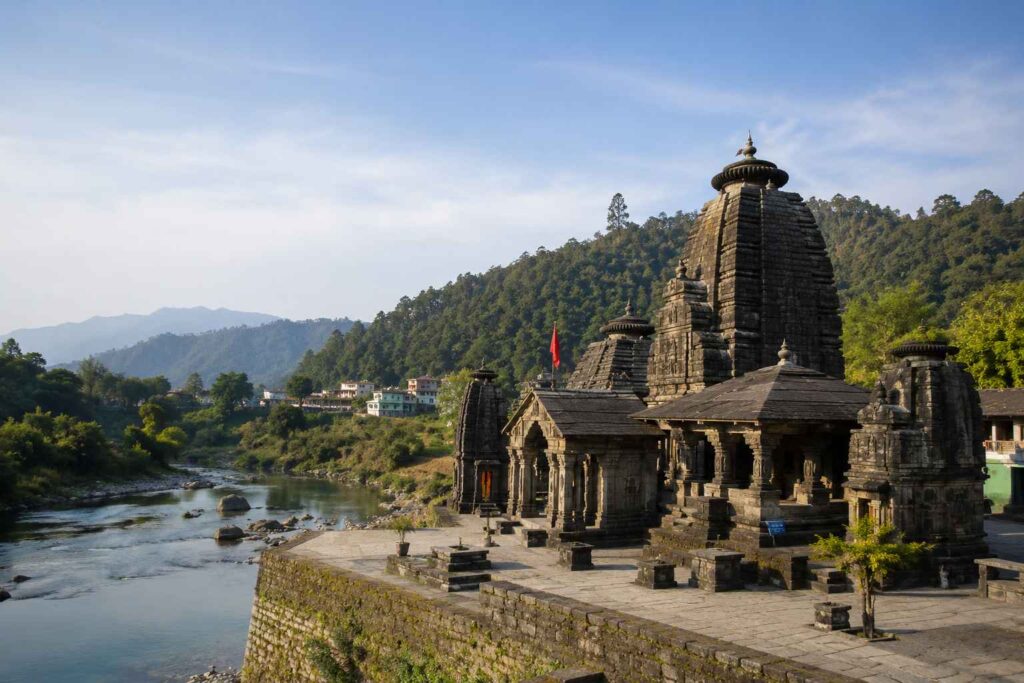
Baijnath : This site is a cluster of temples where the confluence of Gomti and Sarayu takes place in Kumaon, and some part of which, historians say, was made way back in the 7th century. Its ancient religious significance can be found in the Skanda Purana which has made a reference to this site. This temple is far less crowded than others listed here from the Garhwal part, which provides for some respite.
Planning This Properly — A Few Things I Learned the Hard Way
Don’t try to string together more than three or four of these in a single trip. Garhwal is Garhwal and Kumaon is Kumaon, but these regions are massive, and the road distance between “cluster-ites” (Panch Kedar temples vs the Rishikesh-Dehradun grouping vs Kumaon’s Jageshwar-Baijnath area) isn’t nearly as manageable as you may assume when looking at a map. I attempted five in six days, only to discover I’d spent a good deal more time rattling around in a shared taxi. Focus on one of these groups, then revisit.
If your trip already includes some adventure sport time — which, if you’re routing through Rishikesh, it probably will — it’s worth budgeting for it separately from your temple visits. Beyond checking the Zipline in Rishikesh Price, quite a few travellers doing a longer North India loop also compare it against the Bir Billing Paragliding Price in Himachal, since both end up on the same “adventure add-on” list for people combining spirituality with a bit of adrenaline.
The 5 Highest Shiva Temples in Uttarakhand
FAQ: Shiva Temple Uttarakhand
Q1. Which is the most famous Shiva temple in Uttarakhand?
Kedarnath, without question — it’s one of the twelve Jyotirlingas and part of the Char Dham Yatra, drawing over 15 lakh pilgrims in 2024 alone.
Q2. Which is the highest Shiva temple in Uttarakhand?
Shiva’s higher, Tungnath is at an elevation of 3,680 metres (12,073 feet) and the highest temple of Shiva, both in Uttarakhand and in the world, a site that comes along the holy trek to Panch Kedar.
Q3. What exactly is the Panch Kedar?
Five Shiva temples — Kedarnath, Tungnath, Rudranath, Madhyamaheshwar, and Kalpeshwar — each linked to a different part of Shiva’s body according to Mahabharata-era legend.
Q4. How much does the Kedarnath helicopter cost in 2026?
Fares are fixed per route: roughly ₹6,390 from Sirsi, ₹10,164 from Phata, and ₹12,762 from Guptkashi, one-way, plus a convenience fee and GST. Prices rise if you book closer to your travel date.
Q5. Is Char Dham Yatra registration mandatory even for the helicopter?
Yes. You need a valid Yatra Registration Number before you can book any Kedarnath helicopter ticket or, technically, even attempt the trek.
Q6. Which Panch Kedar temple stays open in winter?
Kalpeshwar is the only Panch Kedar temple that remains open throughout the year. While the other four temples close during winter due to heavy snowfall, Kalpeshwar stays accessible, making it the best Panch Kedar destination for pilgrims visiting Uttarakhand in the colder months.
Q7. Which Shiva temple near Rishikesh is best for a quick, easy visit?
Neelkanth Mahadev — no trekking needed, about 32 km away, and easy to pair with adventure activities in the area.
Q8. What’s the best time overall to plan a Shiva Temple Uttarakhand trip?
May–June and September–October cover most temples well, avoiding both monsoon landslides and the harsh winter closures at higher altitudes.
 Admin
Admin