 Admin
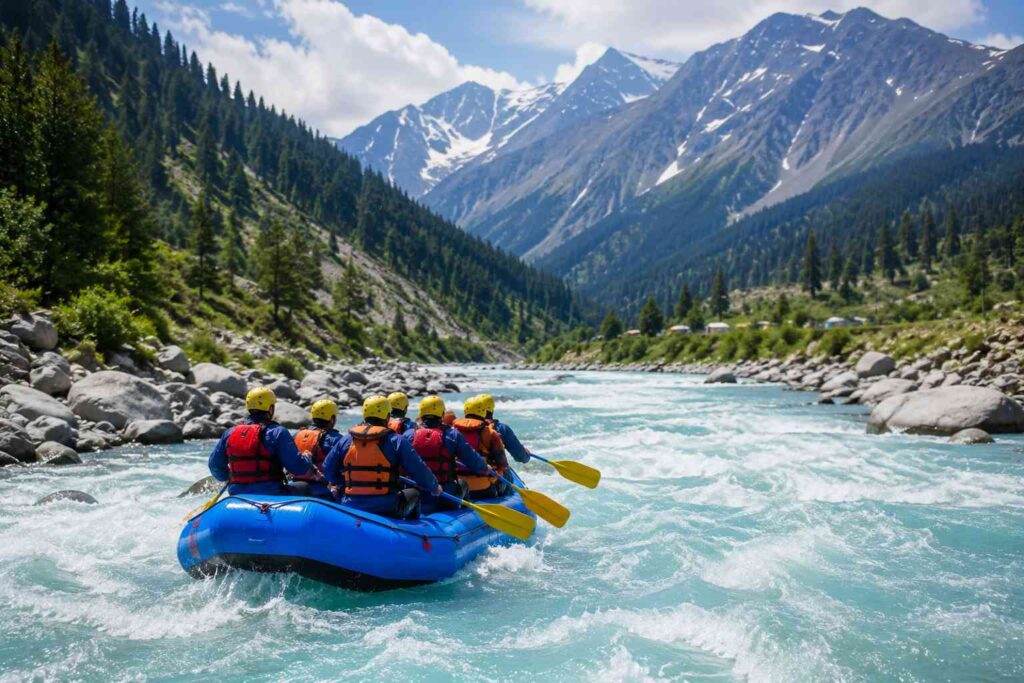
Admin To put it bluntly, the first time anyone mentioned rafting and Kashmir in the same conversation I automatically figured it was the latest buzz about this or that tourist spot. My association was houseboats and saffron fields and Mogul gardens. Not a glacierfed river churning with whitewater with an alarming tendency to toss people into the air. Oops. One outing on the Lidder River, just a bit south of Pahalgam, is all I need to say to know that I was an idiot.
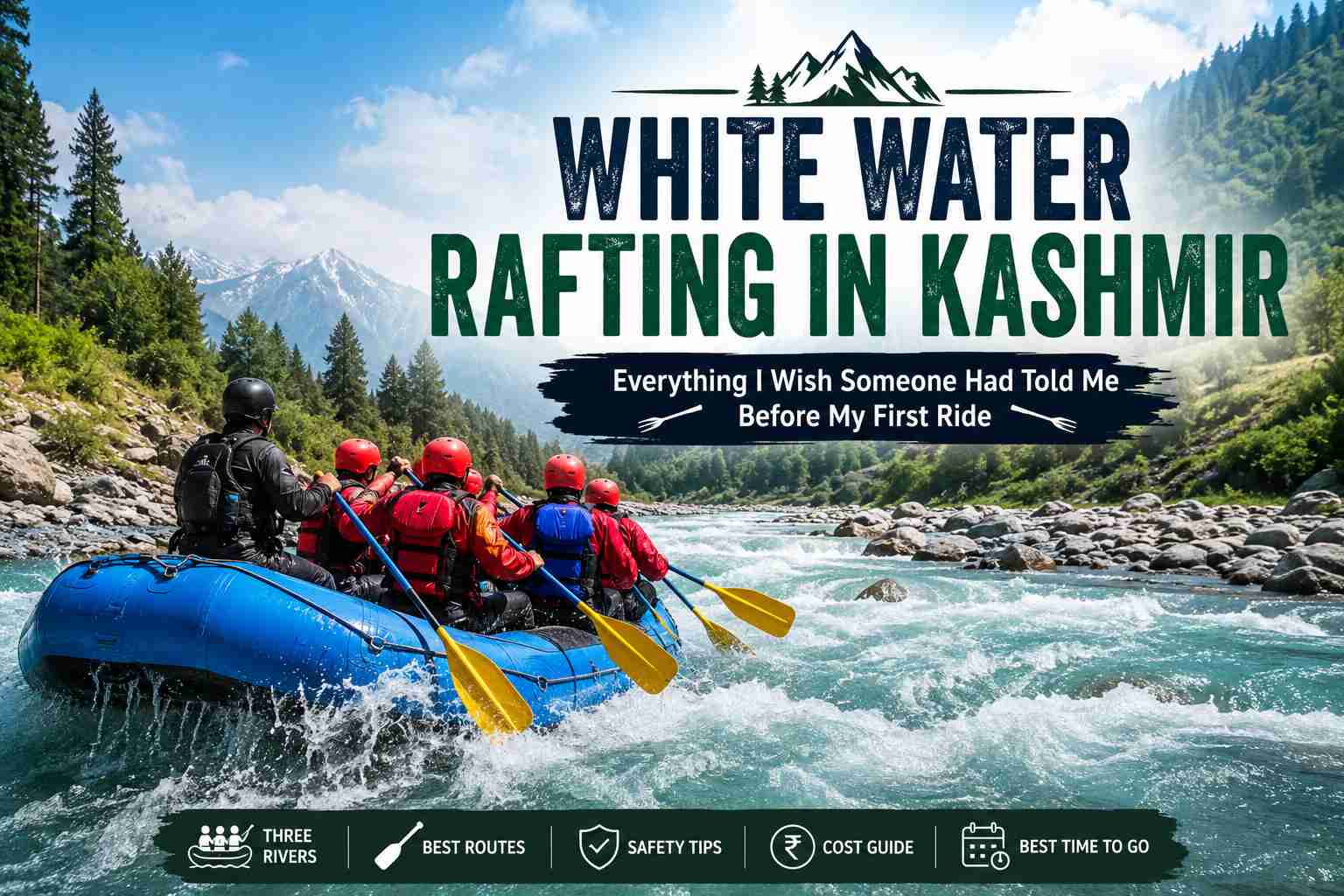
White water rafting in Kashmir isn’t a side activity tucked into a corner of the itinerary anymore — it’s become one of the main reasons adventure travellers add extra days to their Kashmir trip. But almost everything written about it online reads the same: three rivers, some grades, a price range, done. Nobody talks about how cold the water actually is, which stretch is worth your money, or what mistakes people make on their very first ride. So here’s the version I’d actually want to read before booking.
The Three Rivers, and Why They’re Not Interchangeable
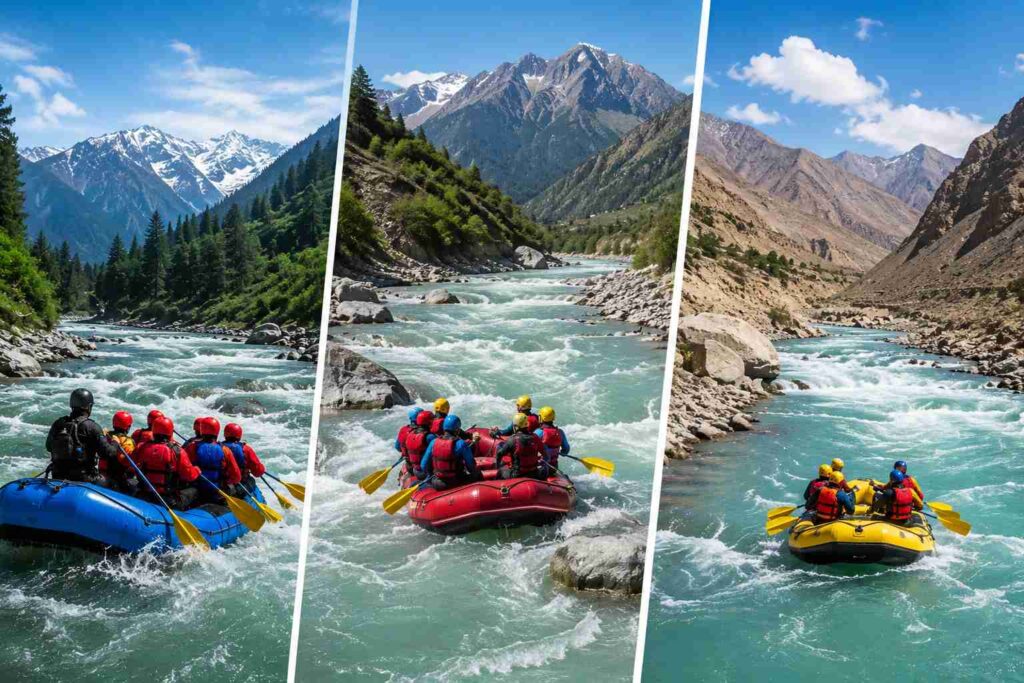
In Kashmir you get three different rivers to raft on, the most common mistake made by beginners is treating these as being the same by the names they are known by.
The Lidder River near Pahalgam is the one almost everyone starts with.Rising out of the Kolahoi Glacier over 5400 metres high, it takes on water from the Sheshnag Lake before snaking its way past the pine woods, to enter Pahalgam town, some 96 kms from Srinagar. Although it flows quickly at its beginning, it becomes quite tame at the rafting points where beginners and the whole families are taken for their first dive.
The Sindh River in Sonamarg is a different beast entirely.It feeds directly from glacier melt, so the water is noticeably colder – so cold that your hands will go numb in a couple of minutes if you dip them in without gloves. The current here is more urgent, the rafting point at Wussan just before Sonamarg town feels rougher even on the shorter route.
Then there’s the Zanskar River near Kargil, which honestly isn’t in the same conversation as the other two. This is multi-day expedition territory, cutting through gorges that look almost identical to sections of Colorado’s canyon country. If you’re a weekend tourist, skip this one — it’s built for people who’ve rafted seriously before and have the stamina for a days-long trip.
Pahalgam’s Lidder River: The Three Stretches Explained Properly
Most operators split the Lidder into three sections, and the difference between them is bigger than most blogs let on.
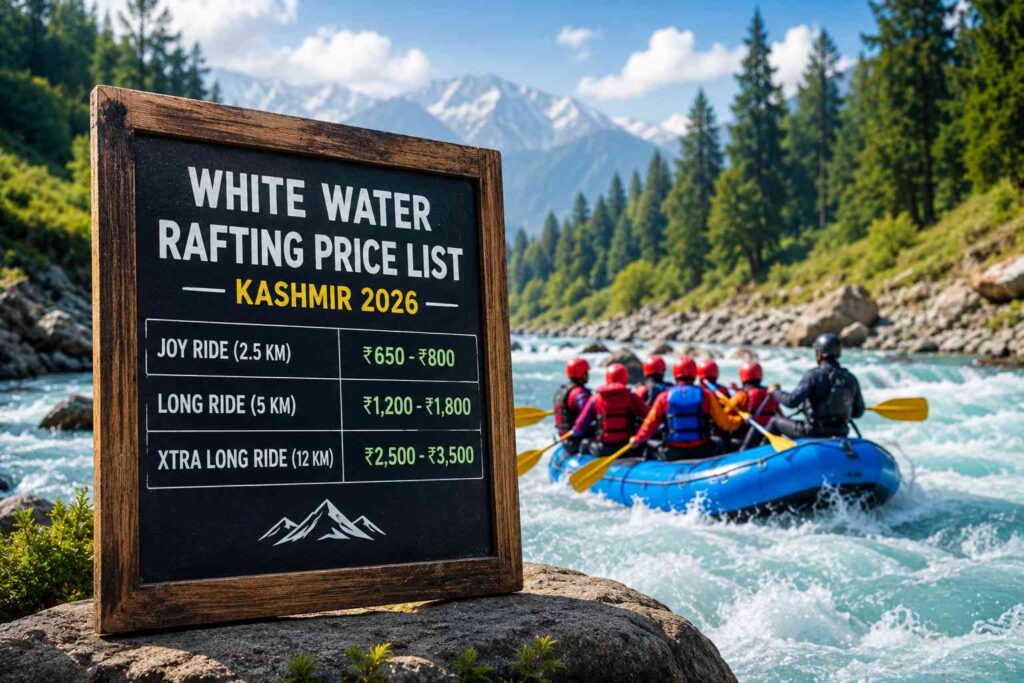
The Joy Ride is about 2.5 km from Varganpal to Yaneer Bridge with rapids touching Grade II-III. This is the one I’d recommend to anyone rafting for the first time, especially if you’re travelling with kids or older parents. It’s short enough that even if you’re nervous you’re back on dry land in fifteen odd minutes.
The Long Ride stretches to about 5 km, from Varganpal to Ganeshpora, and this is where things get genuinely fun. The current picks up pace, the rapids get pushier, and you actually feel like you’re working with the guide rather than just sitting there.
The Xtra Long Ride covers around 12 km starting from Langanbal Bridge, and this one hits Grade IV water.Not for your first go, I’d say—not that it’s unsafe with a certified guide, but the learning curve on paddling technique matters a lot more when the rapids get serious. Do the Joy Ride or the Long Ride first and only move up if you had fun.
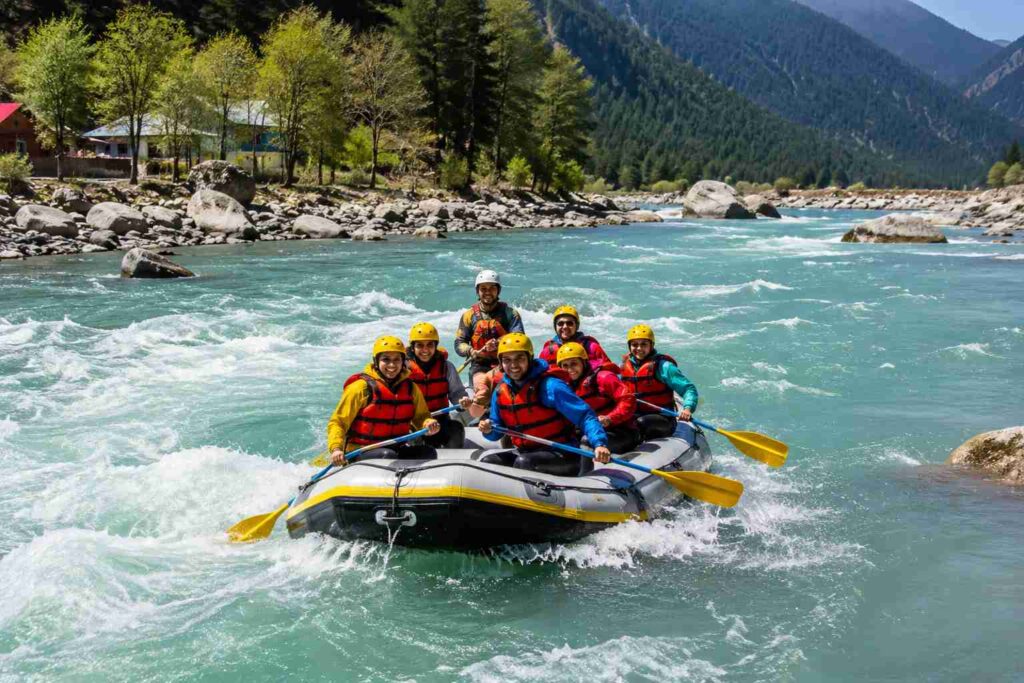
What It Actually Costs (And Why the Range Is So Wide)
It’s the first thing people ask, so let’s be honest about it. The short beginner rides on the Lidder cost anywhere between about ₹650-800 a head, while the longer, more technical stretches can go up to ₹1,800-3,500 depending on the distance, the size of the group and which operator you go with. There is no official government price list that everyone follows so prices really do vary depending on the season, tourist traffic and how much you are willing to bargain.
If you’re the kind of traveller comparing adventure costs across regions before deciding where to spend your adrenaline budget, it’s worth noting that rafting economics work similarly everywhere — pricing on something like River Rafting in Kullu Price moves the same way, based on river stretch and time of year rather than a flat number.
When to Actually Go (Not Just “Summer”)
Every article says “April to September,” which is technically true but not very useful. Here’s the more specific version: late May through June gives you the strongest current because that’s peak snowmelt season, which means bigger, faster rapids. July and August bring more predictable weather but occasionally muddier water if there’s been recent rainfall. September tends to have calmer, cleaner water, better for people who want the experience without the maximum intensity.
One thing nobody mentions — if your trip overlaps with the Amarnath Yatra period, certain stretches near Pahalgam get temporarily restricted for crowd and safety management, so it’s worth checking specific dates with your operator rather than assuming availability.
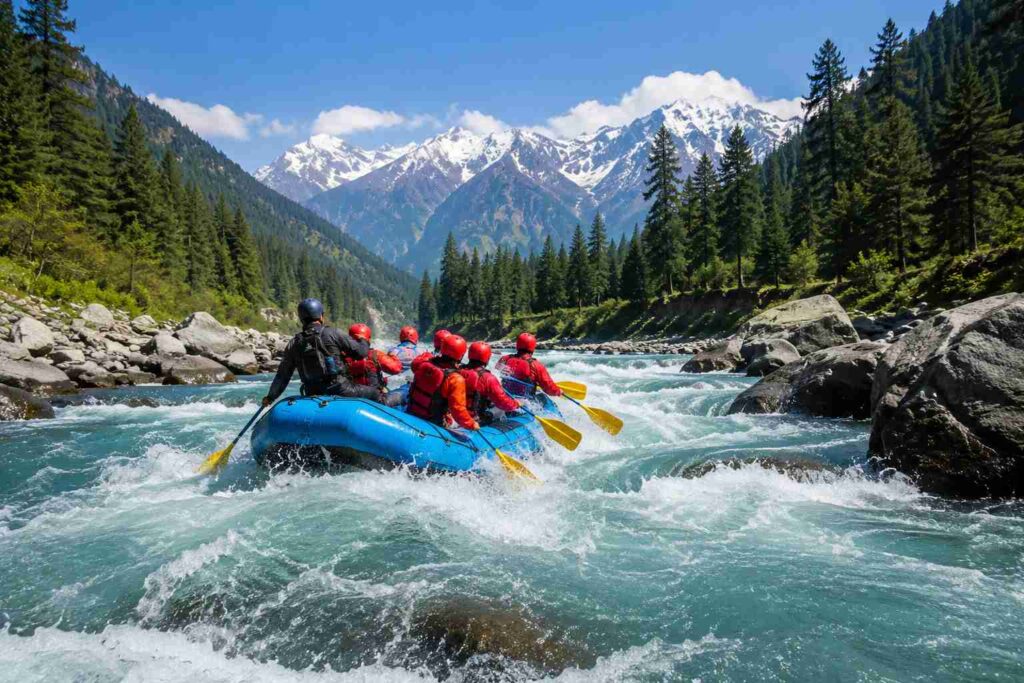
The Safety Rules That Actually Matter
Most safety lists online are copy-pasted filler. These are the ones that genuinely make a difference:
Your life jacket stays on the entire time, even during the calm stretches between rapids — this is where people get careless and it’s exactly when accidents happen. Wear shoes you can grip in wet mud, not slides or sandals; I watched someone lose a chappal within the first two minutes of getting into the raft. Skip anything loose or flowy like a dupatta or saree, since it can genuinely get caught on gear. And actually listen when your guide gives instructions before the ride starts, not halfway through a rapid when it’s too late to process what they’re saying.
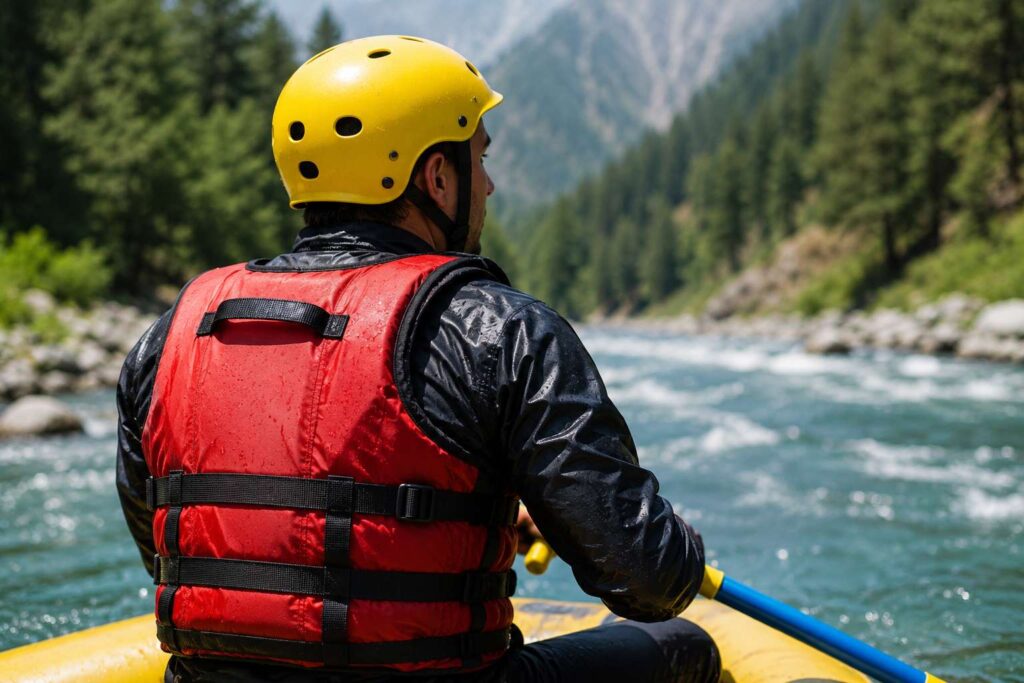
Mistakes First-Timers Keep Making
A few things I noticed watching other rafters (and honestly, made myself once): people underestimate how cold glacier water actually is, even in June, and show up without a change of clothes. Bring one — you will get wet, guaranteed. Others assume the “extra long ride” is more value for money without realising it requires actual paddling coordination, not just sitting and enjoying the view. And a surprising number of people book without confirming whether the price includes gear rental, then get an unpleasant surprise at the counter.
Pahalgam or Sonamarg — Which One Should You Actually Pick?
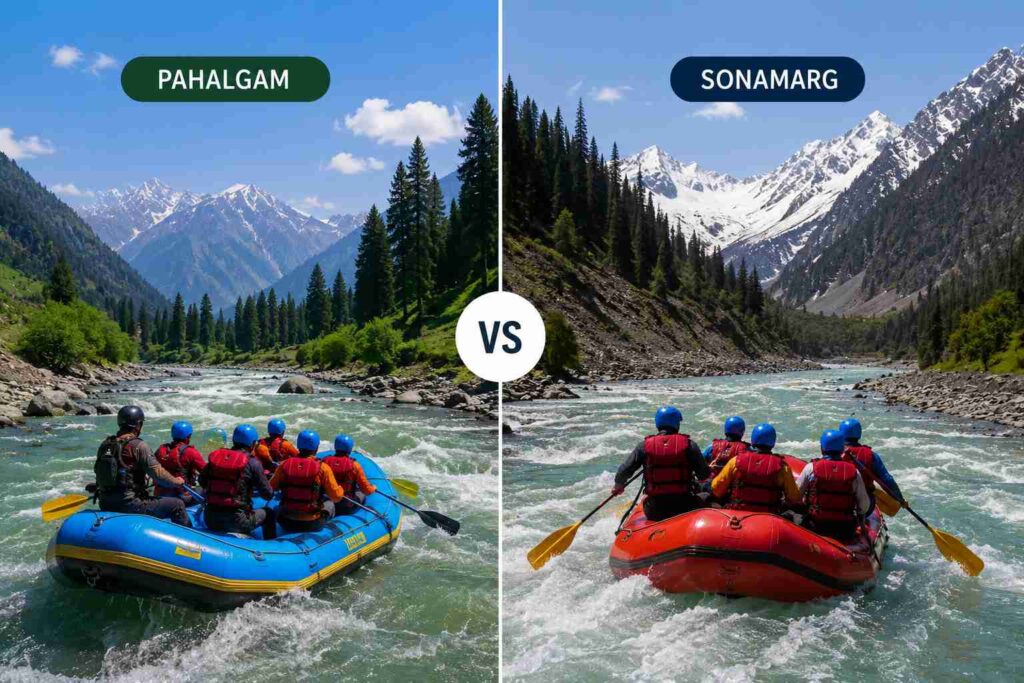
If this is your first raft ever, or you’re travelling with family, Pahalgam’s Lidder River wins easily — it’s scenic, manageable, and the shorter routes genuinely feel safe without being boring. If you’ve rafted before and want the current to actually challenge you, Sonamarg’s Sindh River delivers that in a shorter, sharper package. If your itinerary has room for both, doing them on separate days gives you a real comparison instead of guessing based on someone else’s blog.
Pairing Rafting With the Rest of Your Trip
Since you’re already in Pahalgam or Sonamarg for the water, it’s worth building the rest of the day around it — Baisaran meadows, Aru Valley, or a short trek fit naturally around a morning rafting slot. And if adventure sports are becoming a theme for your travel this year, it’s worth checking rates for something like the Zipline in Rishikesh Price too, since it tends to attract the same crowd chasing an adrenaline-first itinerary. Once the adventure leg of your trip winds down, a slower, scenic contrast like the Top Hill Stations in South India makes for a nice second half to the year’s travel plans.
Final Word
White water rafting is really more of a ‘make it count’ activity in Kashmir, especially on a designated spot appropriate to your thrill level, if you know to get past the fact that the water in the valley is cold. You can begin with the Lidder and graduate to the Sonamarg as and when you like, and can save the Zanskar for another specialized river rafting trip.
FAQs on White Water Rafting in Kashmir
Q1. Which is better for beginners — Lidder River or Sindh River?
The Lidder River in Pahalgam is the better starting point. Its Joy Ride section has gentler Grade II-III rapids and a shorter, more forgiving current compared to the Sindh.
Q2. How much does white water rafting cost in Kashmir?
Expect to pay roughly ₹650-800 for short beginner rides and up to ₹3,500 for longer, advanced stretches, depending on the operator and season.
Q3. What’s the best time of year for rafting in Kashmir?
Late May to September is the full season, but late May-June offers the strongest current from snowmelt, while September gives calmer, cleaner water.
Q4. Is Kashmir rafting safe for kids and older travellers?
Yes, the beginner Joy Ride sections are designed for exactly this group, but always confirm age and health guidelines directly with the operator before booking.
Q5. Do I need prior rafting experience?
Not for the beginner or intermediate stretches. Only the Grade IV expert routes genuinely benefit from prior rafting experience.
Q6. Can I do rafting in both Pahalgam and Sonamarg on one trip?
Yes, and it’s actually a good idea if your schedule allows — the two rivers offer noticeably different experiences worth comparing firsthand.
 Admin
Admin