
 Admin
Admin Spiti Valley from Chandigarh is one of the most beautiful and unforgettable road trips in India. In 2026, if you’re dreaming of dramatic Himalayan roads, turquoise rivers, ancient monasteries, and landscapes that feel completely different from the rest of Himachal Pradesh, Spiti should be at the top of your list. Chandigarh is the most convenient starting point for this journey, whether you plan to enter through Shimla–Kinnaur or complete the circuit via Manali. From changing mountain views and high-altitude villages to practical travel tips, permits, route options, and updated costs, this guide covers everything you need to plan your Spiti Valley trip from Chandigarh with confidence.
This city isn’t just the appropriate launch-pad to this circuit tour, it is the natural point of entry into the Trans-Himalayas. Every aspect of your road journey into Spiti- the ascent of altitude, change of scenery and thinning of vehicular traffic – begins as you pass the boundary of Sector 17.
This guide is written for 2026. Rules, fees, roads, and costs have been updated accordingly.
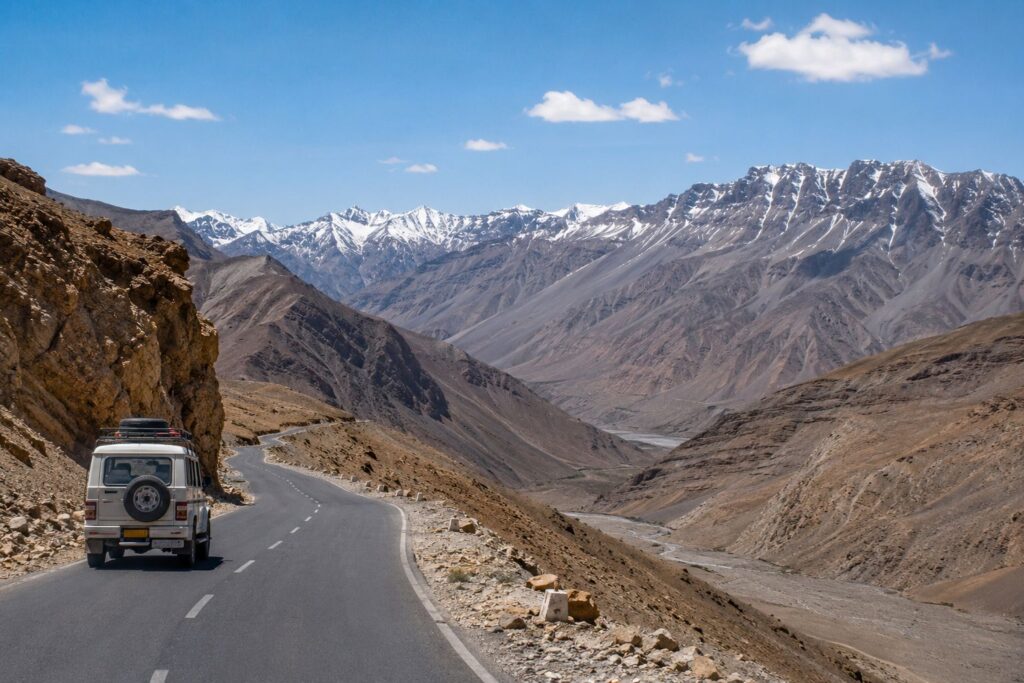
check previous blog : Delhi to Spiti Valley Tour Packages
What Is Spiti Valley, Really?
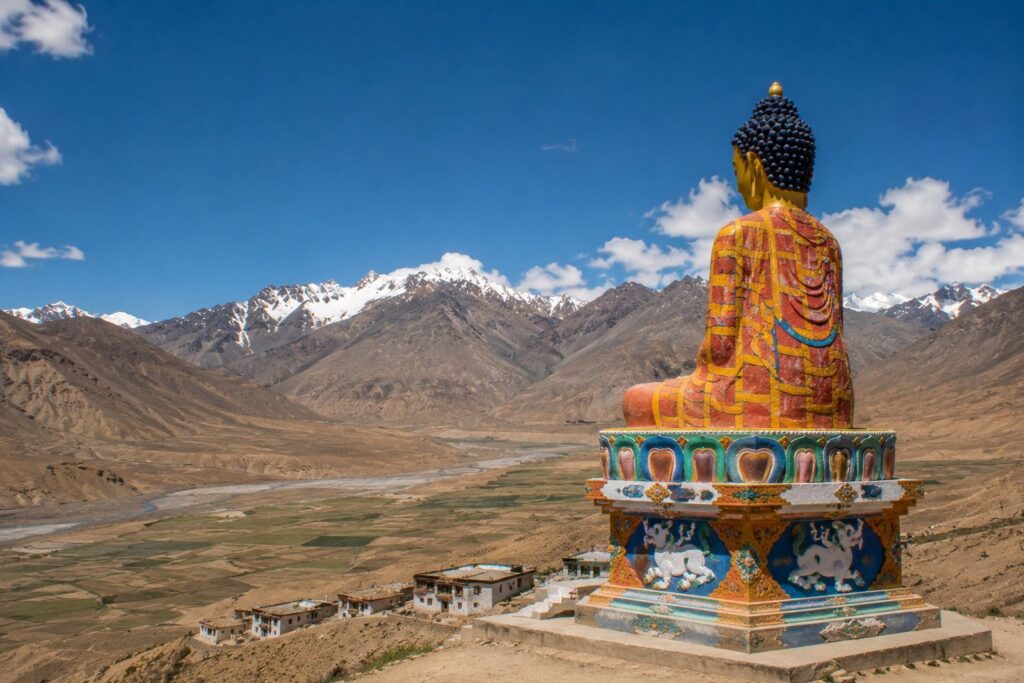
Spiti means “The Middle Land”, referring to a portion of high altitude cold desert between India and Tibet. It is deeply marked by Buddhist culture and is located between Tibet, Ladakh, Kinnaur, Lahaul, and Kullu. This land is nothing like what the average Indian would visualize upon hearing Himachal Pradesh. This part of Himachal is not made of lush green meadows or pine trees. Instead, it is defined by collapsing mud cliffs, barren river valleys, monasteries carved into rocks as old as a thousand years, and a silence that will be tangible.
UNESCO identified Spiti Valley as India’s 1 st Cold Desert Biosphere ReserveThe valley is situated in the rain-shadow of the Greater Himalayas and is cradled in the north-east of Himachal Pradesh.
This is the district headquarter and the nucleus of entire Spiti valley. This place is at 3800m from the sea level and from here, all corners of Spiti are linked.
Two Routes from Chandigarh to Spiti Valley
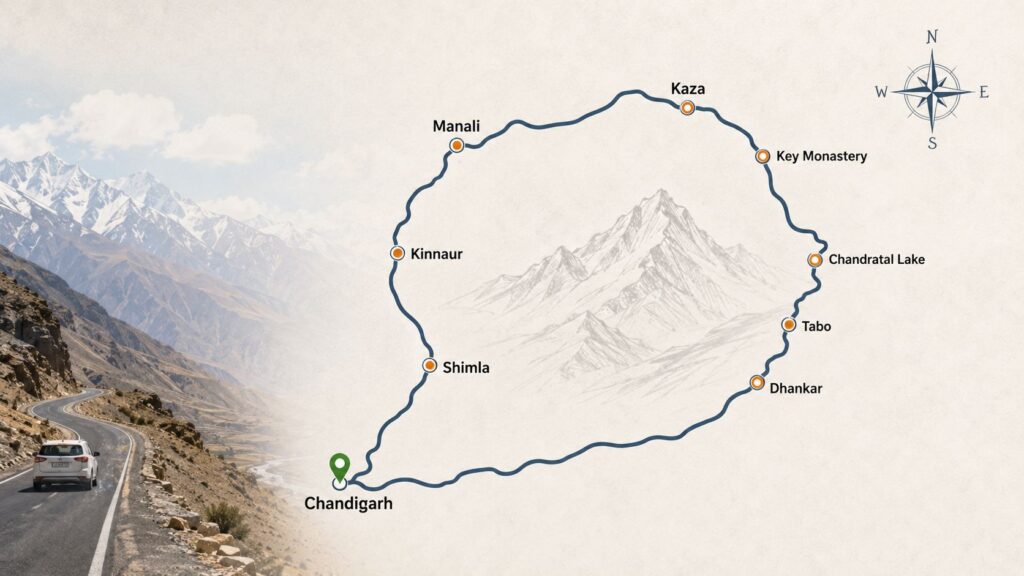
One of the two routes to Kaza is via Kinnaur valley from Shimla. The second route to Kaza is from Manali. It is about 450KMs to 520KMs from Chandigarh to Kaza depending on the route one chooses and it is going to take around 2-3 days for the total journey taking enough breaks with a nice time in hand for acclimatisation at the higher altitudes.
Route 1: Chandigarh → Shimla → Kinnaur → Kaza (Recommended for First-Timers)
This is the most frequently used and relatively simplest path. The path taken is Chandigarh Shimla Narkanda Rampur Reckong Peo Kalpa Nako Tabo Kaza and is approximately 500km and may take you two or three days.
There’s a gentle incline all along the Chandigarh-Shimla-Kaza stretch that makes it easier for someone from the plains in India to get accustomed to the increasing altitude. Kinnaur, on its own, as a drive, is something special-huge cantilever bridges over the Satluj gorge, orchards in mid July that smell of autumn, roads that hang in mid-air!
If considering routes from Chandigarh, it is the most beginner-friendly road from the Shimla-Kaza route to the Spiti Valley in India. The road quality good to very good for the most part of the route, altitude gains is gentle and views from the Kinnaur and Satluj gorge are out of this world.
Route 2: Chandigarh → Manali → Kunzum Pass → Kaza (Faster, More Dramatic)
Trip Itinerary Chandigarh to Manali to Atal tunnel to Kunzum pass to Losar to Kaza. This route is more tiring and short.The height of the Kunzum Pass is 4551m. You will reach this pass very soon after coming out of Manali hence there is very little time to get your body to get used to the height. Best suited for those people, who have previously been to Spiti or are traveling with a veteran Himalayan driver. In between Gramphu and Batal it is quite tough, you are going to find glacial melt streams and crossing of streams all the time.
Rohtang Pass requires a vehicle permit if you are crossing on the Manali side. Book it online at rohtangpermit.nic.in before your travel date. This applies to all vehicles regardless of nationality.
check another blog : Best Time to Visit Badrinath
Permits in 2026: What You Actually Need
This is where a lot of guides get outdated. Here is the accurate picture for 2026.
Indian Citizens: Indian citizens do not need an inner line permit or protected area permit for normal Spiti Valley tourism. Carry a photo ID with you, show them at the posts when prompted, end of story. Carry a physical copy of your Aadhaar/PAN/Passport at all times. There are many police/army check posts on both paths.
Foreign Nationals: Foreign nationals need a permit for notified protected areas in Kinnaur and Spiti. The SDM office in Reckong Peo is the most recommended spot, as it is accustomed to processing tourist permits and the process is usually smooth. As of early 2026, there is no fully online application for this permit — it must be done in person.
SADA Fee (New from 2025, Active in 2026): SADA fee is a local development tax, imposed on vehicles going to Spiti and it is taken at the barriers.The fee slabs quoted are; Two wheelers R 100, Cars R 200, SUV and MUV R 300, buses and trucks R 400. This was introduced to manage solid waste and sewerage treatment in Kaza and Tabo that have witnessed unprecedented tourism. Pay it without fuss — it goes directly toward keeping the valley livable.
A further, and more unwelcome addition to these costs, is the introduction of a Forest Dept fee of 150 per person for some protected areas from June 2005.
Best Time to Visit Spiti from Chandigarh
The best months for this circuit tour of Spiti Valley are September through late June. The circuit route opens after BRO clears snow at Kunzum Pass in May.
A look at 2026 travelers, month by month:
May (late) to June: Roads begin to open up. The BRO opens up the Kunzum Pass typically at the end of May. Roads will be partially snowy, nights cold, but you’ll have fewer tourists and great photo ops of the classic early season shots.
July to August: Peak season. Warmer days, all roads open, homestays fully operational. Chandratal Lake is accessible. This is when most Indian families and groups travel. Book accommodation weeks in advance.
September to early October: Perhaps the best window to visit. Clear skies are a given post monsoon, the masses have gone and the daytime temperatures are pleasant.The valley turns golden. This is the sweet spot.
November to April: Both main routes are closed due to snow. It’s a whole other world here in Spiti in the winter – icy rivers, snow leopard encounters, a few dedicated, brave souls – but this requires a great deal of preparation and experience.
A Practical 9-Day Itinerary from Chandigarh (2026)
This route goes in via the Shimla approach, out via the Manali approach – a traditional Spiti Circuit.
Day 1: Chandigarh to Shimla (120 km, 4 hours). Arrive by afternoon. Walk the Mall Road, eat well, sleep early.
Day 2: Shimla to Sarahan via Narkanda and Rampur (180 km, 6-7 hours). Stop at Narkanda for the apple market views. Sarahan has the stunning Bhimakali Temple.
Day 3:Sarahan to Kalpa with a short stop at Reckong Peo (90km, 3 hrs). Kalpa is one place where one has the most amazing view in India of the Kinner Kailash range – so near that you feel like touching.
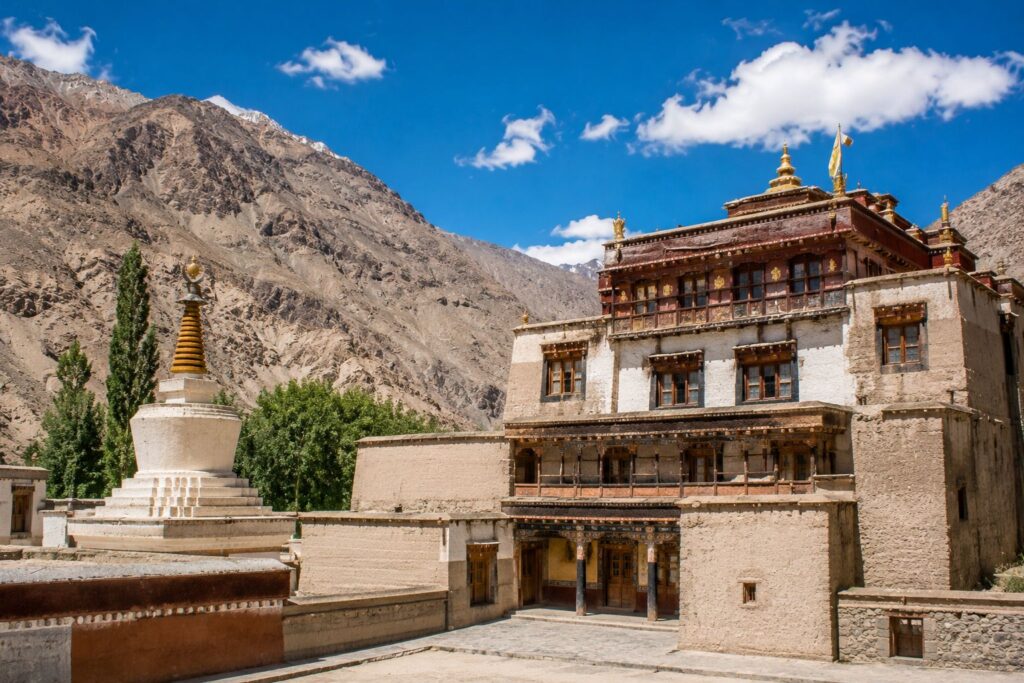
Day 4:Kalpa to Tabo via Nako (130kms / 5-6 hours). Nako Lake is worth a thirty minute stop over. The Tabo Monastery has over 1,000 years of history and is also a UNESCO site. Check in and find peace.
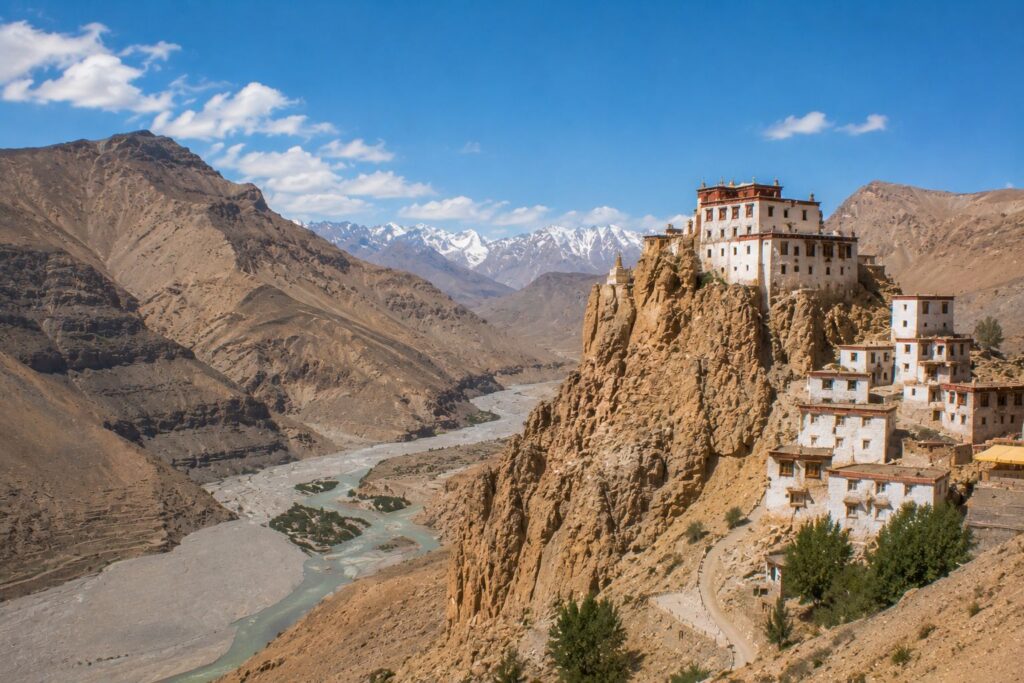
Day 5:Tabo to Kaza via Dhankar (60 kms, 3 hours). Visit Dhankar monastery precariously located on the side of the cliff. By early afternoon arrive in Kaza and rest-do not push yourself too hard on your first evening, as it is after all at over 3,800 metres.
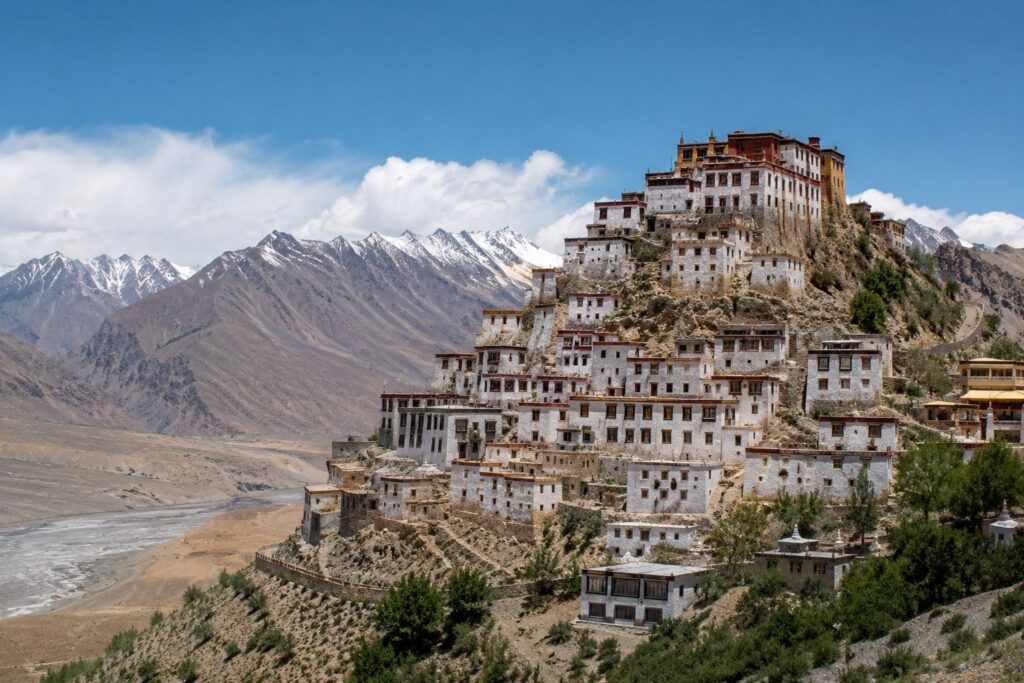
Day 6: Kaza Local Day. Morning visit to Key Monastery, largest monastery of India, which follows the Tibetan Buddhist culture. The monastery is located about 14 Kms from Kaza.Postnoon–explore the Kaza market; sip a cup of butter tea at the local dhaba.
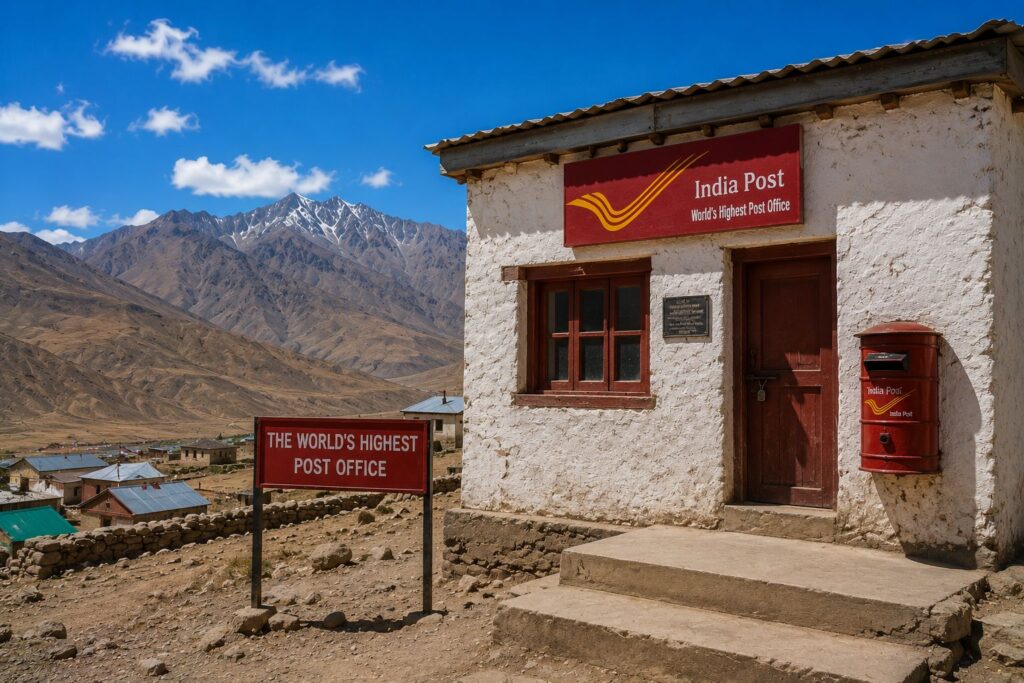
Day 7:Langza, Hikkim, Komic Day Trip. In Langza you find marine fossils that are 500 million years old still embedded in the hillside. At Hikkim is the world’s highest functioning post office; mail a postcard and it will reach home and Komic is one of the world’s highest motorable villages.
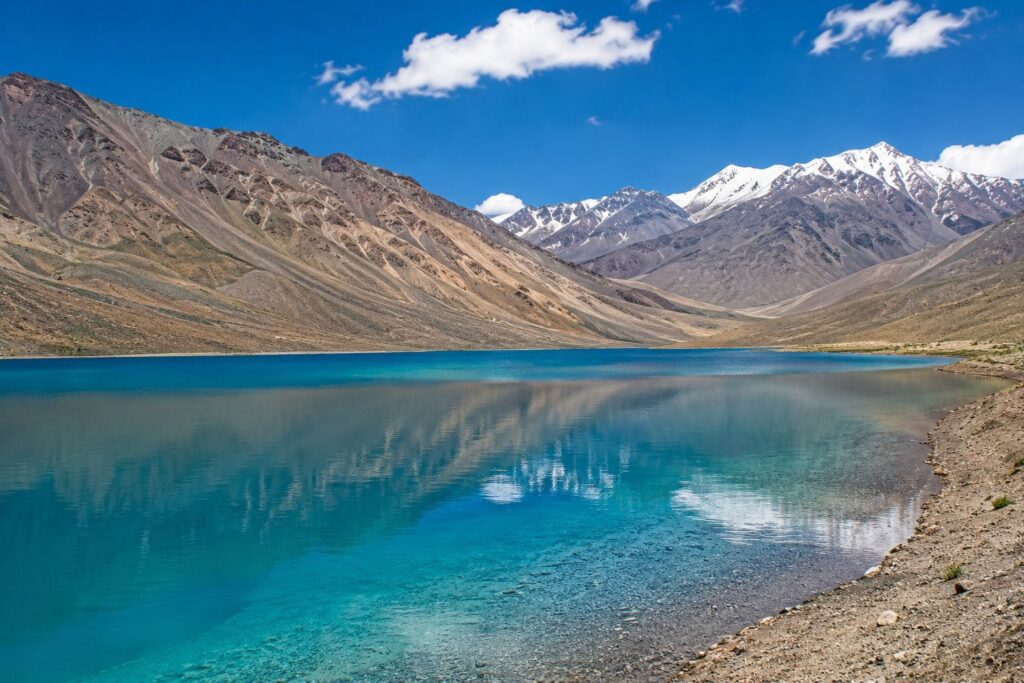
Day 8:Journey to Chandratal Lake from Kaza via Kunzum Pass. The Kunzum pass is over 4,551metres and it’s actually a pilgrimage to the pass, nothing more. The Chandratal, ‘the Moon Lake’ is a half moon shaped body of water over 4,300metres that you could be looking at if you were standing on an alien planet. Camp overnight at the registered camps.
check another blog : Bir Billing Paragliding Price 2026
Day 9:Chandratal- Manali (120 km, 5-6 hours road condition variable). Drive back Chandigarh via Manali (310 km, 7-8 hours) or stay at Manali one day.
Budget Breakdown for 2026
Your travel expenses for a 7-10 days tour to Spiti Valley in 2026 can vary between INR 13,000 – INR 65,000+ per person. Your expense is based upon the type of trip you opt, your starting destination, mode of travel and type of accommodation you desire. Budget backpacking costs about INR 13,000-18,000 and can cost around INR 18,000 – 28,000 for a group tour. Costs for a couple private trip can be about INR 30,000 – 45,000.
For Homestays you can expect 600-1200 with meals per night and Guesthouses in Kaza can cost anywhere between 1000-2500 for the room type that is available.The food is very basic: dal, rice, thukpa, momos… And cheap, 100-250 per meal.
Estimate a further 3,000 to 5,000 for the driver’s night allowance, SADA district entry fee, fuel surcharge at high altitude, parking and a spare night at a hotel should roads be blocked.
Things Nobody Tells You Before You Go
Fuel:As you pass Shimla or Manali fill in fuel whenever available, on the Shimla road the pumps are at Theog, Narkanda, Rampur, Jeori, Tapri, Reckong Peo and Kaza- and from Reckong Peo to Kaza there is a distance of about 200 km.
ATMs: There is one ATM in Kaza. It runs out of cash regularly during peak season. Carry enough physical cash from Chandigarh to last the entire trip. UPI works intermittently where there is signal, but do not rely on it beyond Shimla.
Mobile Signal: You will have decent connectivity till Shimla and after that it starts getting disturbed. Expect some to zero connectivity on your way. BSNL has the maximum coverage in the valley. You will need to download the offline maps prior to departure.
Altitude Sickness:Altitude of Kaza is 3800 m. An over night drive from Chandigarh to Kaza would certainly not do your lungs any favors and a Chandigarh to Kaza drive may be made in 2 to 3 days, by the way of Shimla to give your body time to get accustomed to the altitudes. Be sure to keep yourself hydrated, give alcohol a wide berth and take some medication to avoid AMS. Diamox is sold over the counter in Shimla but consult your doctor before using.
Respect the Monasteries:Please remove your shoes before coming in. Do not touch the thangkas and the statues. Photography inside is often restricted — always ask. The monks living here are not tourist props. A quiet nod goes further than a selfie request.
Spiti Valley Circuit Trip From Chandigarh
Why Spiti Hits Differently
There are hill stations in India that are beautiful. And then there is Spiti, which is something else entirely. It is the kind of place that recalibrates you. The absence of noise, the absence of mobile notifications, the absence of rush — all of it strips away the noise you carry from daily life and replaces it with something harder to name.
The people here are extraordinary in their quietness. A homestay owner in Langza who feeds you dal baati at 11 PM because your car broke down. A monk at Key who explains Buddhist cosmology through a cracked translator app and makes you laugh. A child in Hikkim who wants to show you where the fossils are in the hillside, free of charge, purely out of pride for where he lives.
check another blog : Zipline in Rishikesh
You leave Chandigarh for Spiti thinking you are going somewhere remote. You come back understanding that Spiti is not remote at all. It is just honest.
The permits, obey the new rules of entry to the valley, carry cash and take it easy. 2026 Spiti is as accessible as it gets-however, you still need to turn up on its terms, not yours.
 Admin
Admin 
[…] check another blog : Spiti Valley from Chandigarh […]
[…] check previous blog : Spiti Valley from Chandigarh […]
[…] check previous blog : Spiti Valley from Chandigarh […]